

The Complete Senior Wellness Panel: Beyond Basic Blood Work
Subtle changes in senior pets can be easy to overlook, but they can sometimes be the first sign that something more serious is developing. A little extra thirst may point to early kidney disease or diabetes. Weight loss can be linked to thyroid changes or other underlying conditions. Even small shifts like hesitating to jump or slowing down on walks can be a sign of arthritis pain. A physical exam gives us important clues, but tools like bloodwork, blood pressure checks, thyroid testing, X-rays, and ultrasound help us understand what is happening beneath the surface. Senior wellness screening helps separate normal aging from disease so you can feel confident you are doing the right thing for your pet.
At Santa Monica Veterinary Group, we make senior care proactive and personalized with comprehensive screening tailored to your pet’s needs. We measure blood pressure to catch hypertension early, run thyroid panels to identify hormonal changes, and use X-rays to evaluate arthritis, organ changes, or hidden masses. Through our urgent care services, we often see how chronic disease can quietly progress until it becomes an emergency, which is why early screening is so valuable. Our full range of services supports both prevention and treatment when tests reveal a concern. When you are ready, you can request an appointment to start a senior screening plan or contact us with questions about what is best for your pet.
What Makes Senior Wellness Screening Different From Regular Checkups?
You might notice your pet taking longer to rise, enjoying more naps, a change to their coat, or drinking more. Alone, these seem small. Together, they can point to something deeper.
Senior screening goes beyond a physical exam by combining several tools to catch issues early. Blood pressure checks spot cardiovascular strain. Thyroid panels reveal hormonal imbalances. Radiographs show changes in organs, bones, and joints you can’t feel by touch.
Following senior pet care recommendations means building baselines while your pet feels well. Those numbers become your yardstick for future changes. Small shifts over time can flag trouble long before symptoms escalate.
At Santa Monica Veterinary Group, in-house lab and imaging provide same-day answers. That means less waiting and faster action when something needs attention.
Why Do Aging Pets Need More Frequent Testing?
As pets age, kidneys, heart, immune system, and metabolism all change. Many of these shifts are silent until disease is advanced.
Preventive testing finds problems during the window when treatment works best. We recommend screening every six months for seniors. A lot can change in half a year, and trends guide better decisions than one-time results.
Baselines matter because “normal” varies by pet. Tracking your pet’s values over time helps us spot patterns that single tests miss. Early detection of kidney disease, diabetes, thyroid problems, heart disease, and some cancers can dramatically improve outcomes.
What Does Senior Blood Work Actually Measure?
A complete blood count (CBC) looks at red and white blood cells and platelets. It can reveal anemia, infection, inflammation, or immune issues. The biochemistry profile checks organ function and metabolic health, including kidneys, liver, blood sugar, protein levels, and electrolytes.
If you understand the basics of veterinary diagnostic tests, results feel less mysterious. Elevated kidney values might lead to diet changes and hydration support. High liver enzymes can prompt medication adjustments or imaging.
We compare current results with your pet’s baseline. Slow, steady shifts suggest one plan, while sudden spikes may trigger faster intervention. These numbers guide nutrition, medications, and lifestyle tweaks that keep your pet comfortable.
How Does Thyroid Disease Affect Dogs Differently Than Cats?
What symptoms indicate hypothyroidism in dogs?
Dogs typically develop hypothyroidism, meaning low thyroid hormone. Metabolism slows, causing weight gain, low energy, and dullness. Skin and coat changes are common, including hair thinning and recurrent skin or ear infections. Diagnosis is by blood test, and most dogs improve quickly with daily medication.
Why do senior cats develop hyperthyroidism?
Cats more often have hyperthyroidism, where excess hormone speeds everything up. Classic signs include weight loss despite a big appetite, hyperactivity, vomiting, and a racing heart. Untreated feline hyperthyroidism can damage the heart and kidneys. Treatment options include medication, special diets, or radioactive iodine therapy. With monitoring, most cats do very well long-term.
Why Should Blood Pressure Be Checked in Senior Pets?
High blood pressure in pets is silent until it causes damage. It can harm kidneys, detach retinas leading to sudden blindness, strain the heart, and affect brain function. Systemic hypertension often accompanies kidney disease, hyperthyroidism, and diabetes.
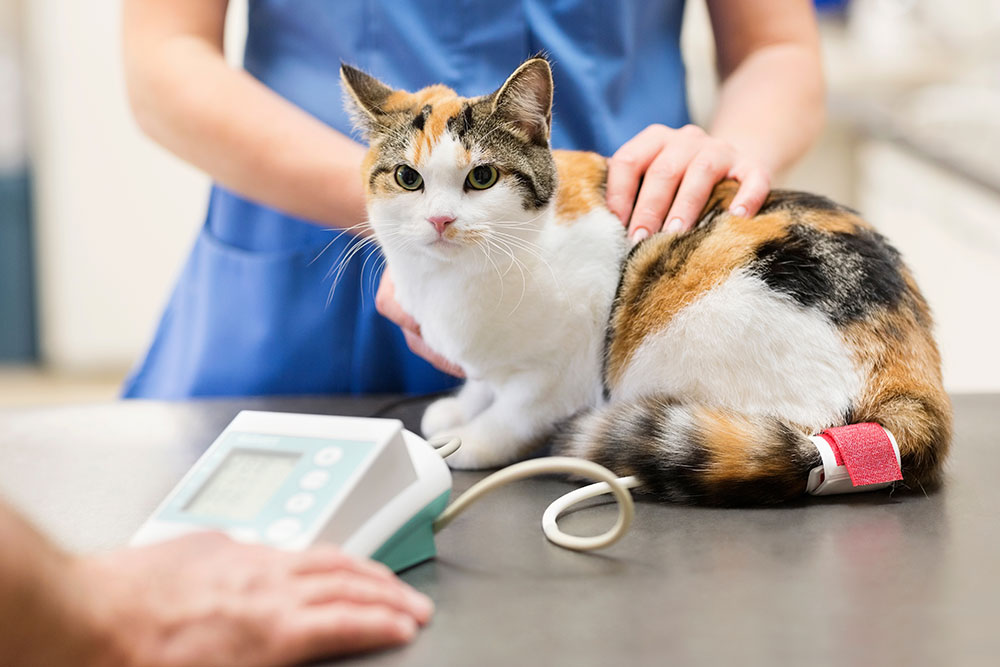
Measuring blood pressure is quick and gentle with a small cuff on the leg or tail. We take multiple readings in a quiet room to ensure accuracy. If readings stay high over time, we treat the underlying cause and may add blood pressure medication to protect organs.
What Can Urinalysis Reveal About Kidney Health?
Urinalysis shows how well the kidneys concentrate urine and screens for infection, crystals, protein loss, and glucose. Finding dilute urine or protein can be early signs of kidney disease, especially in senior cats. It also helps explain symptoms like increased thirst, frequent urination, or accidents in the house, which are not always just “normal aging.” When paired with bloodwork, urinalysis gives a more complete picture of urinary and kidney health so problems can be addressed sooner.
How Do We Screen for Heart Disease in Older Pets?
A physical exam may reveal a heart murmur or irregular rhythm. These findings prompt further evaluation using heart disease diagnosis tools like chest X-rays and echocardiograms. An echocardiogram uses ultrasound to assess heart structure and function in real time.
Blood tests such as NT-proBNP testing can screen for hidden heart stress. Early detection allows medications, diet changes, and activity adjustments that improve comfort and longevity. At Santa Monica Veterinary Group, we perform echocardiograms on-site so your pet gets timely answers and care.
When Are X-Rays or Ultrasound Necessary for Senior Wellness?
What can radiographs detect?
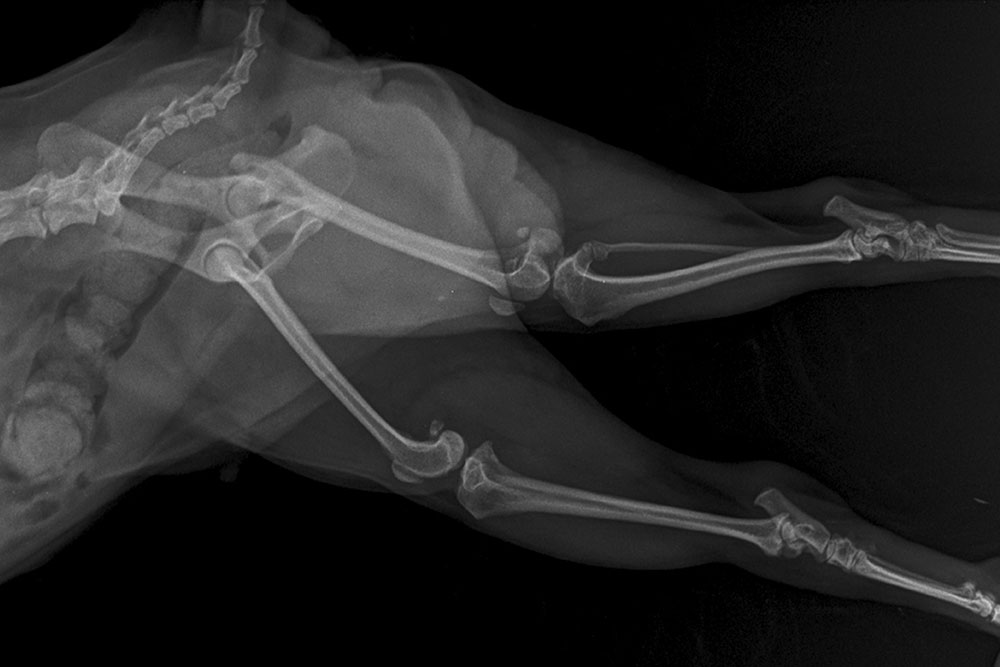
X-ray imaging helps evaluate the chest, abdomen, and skeleton. It can show heart enlargement, lung changes, organ size differences, masses, bladder stones, and arthritis. Radiographs confirm what we suspect on exam and help explain symptoms like weight loss or mobility changes.
When does ultrasound add value?
Ultrasound imaging looks inside organs in real time and can find masses, cysts, stones, and inflammation that X-rays may not show. It’s also useful to guide needle sampling when needed. Imaging pairs with blood work to give both function and structure, creating a complete picture for planning care.
Both procedures are safe and well tolerated. We offer digital X-ray and abdominal ultrasound in-house for faster results.
What Common Senior Diseases Can Screening Detect Early?
How does early cancer detection help?
Routine screening, careful exams, and imaging improve early detection of cancer in pets. Finding small masses or enlarged lymph nodes early broadens treatment options. Early-stage cancers are often easier to manage and carry better outcomes. Some cancers, like osteosarcoma (bone cancer) and hemangiosarcoma (cancer of the spleen or heart) are picked up on X-ray or ultrasounds- and when found early, can prevent emergency room visits from broken bones or internal bleeding.
What blood work changes suggest liver disease?
Elevated liver enzymes and other changes can signal liver disease. Ultrasound and X-rays help determine the cause and severity. Common issues include chronic inflammation, tumors, or age-related changes. Treatment may involve medications, diet, or surgery depending on the diagnosis.
Why does early detection of kidney disease matter?
Chronic kidney disease often advances quietly- and is one of the most common old-age diseases seen in pets, especially cats. While lost function can’t be restored, early care can slow progression. Management may include kidney-friendly diets, blood pressure control, hydration support, and phosphorus binders. Blood work plus urinalysis gives the clearest picture and guides a practical plan.
How do we assess arthritis and mobility issues?
We combine your observations with a gait exam and radiographs to judge arthritis severity. Multimodal pain management works best: medications for inflammation and pain, joint supplements, weight control, and targeted rehab exercises for osteoarthritis. Our rehabilitation and Eastern Medicine options include acupuncture, cold laser, and therapeutic exercises tailored to your pet.
Why Does Dental Health Matter for Overall Senior Wellness?
Dental disease affects the whole body. Bacteria from unhealthy gums can impact the heart, liver, and kidneys, and oral pain reduces appetite and quality of life. Understanding why dental care matters helps you prioritize it for your senior pet.
Watch for bad breath, dropping food, drooling, or red, swollen gums. Pets often hide pain, so normal eating doesn’t rule out disease. Professional dental cleanings under anesthesia allow full treatment, including cleaning below the gumline and removing painful teeth when necessary. Pre-anesthetic blood work checks organ function so anesthesia can be tailored safely. Home care like daily brushing, dental chews, and water additives helps maintain results between cleanings.
How Do We Create an Individualized Senior Care Plan?
Every senior pet is unique. We build a plan using your pet’s history, breed, exam findings, and test results, plus your observations at home. Priorities are based on risk and what we’ve found so far. For example, early kidney changes mean closer kidney monitoring, while a new heart murmur may prompt cardiac imaging. Large breed dogs may benefit from more in-depth cancer screenings, while cats benefit from more frequent thyroid and kidney checks.
Most senior pets benefit from wellness visits every six months. That cadence catches changes early and keeps care responsive. Plans evolve: medication doses shift, diets adjust, and activity recommendations change with your pet’s needs. Shared decision-making with our team keeps quality of life at the center.
FAQs: Quick Answers for Senior Pet Parents
How often should my senior pet be screened?
Typically every six months, with frequency adjusted based on health history and current findings.
What tests are most important for seniors?
Blood work, urinalysis, blood pressure, thyroid testing, and targeted imaging when indicated.
My pet seems fine. Do we still need screening?
Yes. Many issues are silent early on. Baselines help us catch small changes before they become big problems.
Is imaging safe for older pets?
Yes. Digital X-rays use low radiation, and ultrasound is non-invasive and painless. We tailor all care to your pet’s comfort.
Will results change my pet’s day-to-day life?
Often in helpful ways, like diet tweaks, simple meds, or mobility support that improve comfort and energy.
Giving Your Senior Pet the Gift of Proactive Care
Comprehensive screening gives you a roadmap to keep your senior pet comfortable and active. Blood pressure checks, thyroid testing, urinalysis, imaging, and full blood work help us find issues early, when treatment is most effective. Small adjustments today can prevent big emergencies tomorrow.
We’re here to guide you with clear explanations and a plan that fits your pet and your family. If you’re noticing subtle changes or it’s time for a check-in, we can help. Contact us or request an appointment to start a senior wellness plan tailored to your pet. We’ll be your partner in care, answer your questions, and help ease worries every step of the way.




Leave A Comment