

Do Indoor Cats Need Parasite Prevention?
The case for skipping parasite prevention on an indoor cat seems reasonable on the surface: no grass, no other animals, no exposure, right? Unfortunately, that’s not quite accurate. Fleas hitch rides on clothing and shoes. Mosquitoes carry heartworm and have no respect for screen doors. Intestinal parasites arrive via tracked-in soil, contaminated houseplants, or the occasional insect a cat catches near a window. The idea that the walls of a home form a parasite-proof barrier is one of those things that sounds logical until the indoor cat tests positive and the owner has no idea how it happened.
Santa Monica Veterinary Group is a family-owned practice serving dogs and cats in Santa Monica, with urgent care services available for the moments when something unexpected comes up between wellness visits. Our team takes a thorough, individualized approach to prevention, including for indoor cats whose owners may not have considered parasite risk a problem. Contact our practice to review your cat’s current prevention plan and close any gaps that indoor life might be leaving open.
The Myths That Leave Indoor Cats Unprotected
There are a few beliefs about indoor cats and parasites that come up so often they deserve direct attention.
Myth: Indoor cats cannot get fleas. Fleas travel indoors on clothing, shoes, bags, and any dog or other pet that goes outside. They do not need to be carried in by an animal; a single flea on a pant leg is enough to start a problem. Once inside a climate-controlled home, fleas can complete their entire life cycle year-round. In Los Angeles, where temperatures rarely drop to levels that interrupt flea activity outdoors, indoor infestations are genuinely common even in homes with no outdoor cats.
Myth: Parasite prevention is only needed in warmer months. Southern California does not have a “flea season” in the traditional sense- because every season is parasite season. Fleas, mosquitoes, and other vectors are active throughout the year, which means gaps in prevention create real vulnerability rather than manageable seasonal pauses.
Myth: If the cat looks fine, there is no problem. Many intestinal parasites cause no visible symptoms until the burden is substantial. A cat can carry roundworms or giardia without showing obvious illness, while still shedding eggs that pose risk to human family members. Prevention and routine testing catch these situations before they become harder to address.
The veterinary services at Santa Monica Veterinary Group include comprehensive parasite prevention guidance tailored to each cat’s household situation, not a generic recommendation that ignores how a pet actually lives.
How Parasites Get Into a Home Where the Cat Never Goes Out
The Hidden Hitchhikers
Fleas, ticks, and mites do not require a pet to carry them indoors. They arrive on humans, on visiting pets, on secondhand furniture, and occasionally through window screens or door gaps. In multi-pet households where a dog or one cat goes outside, the parasite exposure risk for the indoor-only cat is essentially the same as for the one who goes out.
Flea life cycles illustrate why a single flea brought indoors on clothing can become a significant infestation within weeks. Adult fleas are only about 5 percent of the population at any given time; the remaining 95 percent exists as eggs, larvae, and pupae in carpet fibers, bedding, furniture, and floorboard cracks. Treating only the adult fleas on the pet while ignoring the environmental burden means the infestation continues for months.
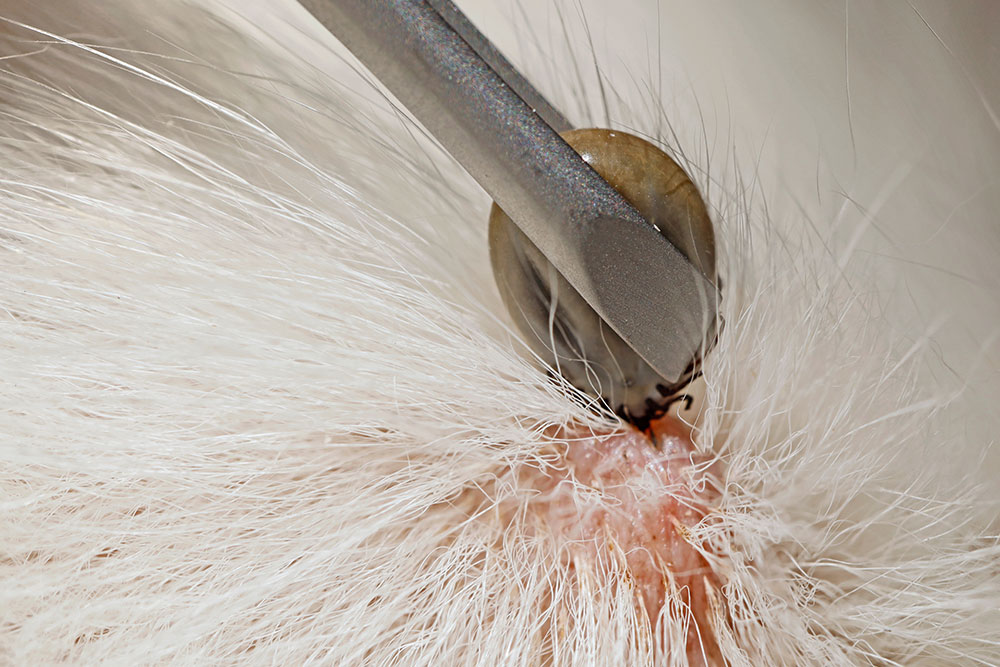
A note on ticks specifically: while cats are less commonly affected by ticks than dogs, preventing ticks is still worth considering for indoor cats who may encounter ticks brought inside on other household pets or family members who spend time in grassy or wooded areas.
Mosquitoes Are Not Stopped by Walls
Heartworm disease in cats is transmitted by mosquito bite, and mosquitoes easily enter homes through open windows, door gaps, and imperfect screens. Cats in high-rise apartments are not exempt; mosquitoes travel floors and navigate building ventilation. Feline heartworm disease is distinct from the canine form and is particularly concerning because there is no safe treatment option for cats the way there is for dogs. Prevention is the only reliable protection. The Santa Monica Veterinary Group team can discuss the most appropriate heartworm prevention products for cats based on current health status and household risk factors.
What Parasites Can Actually Do to an Indoor Cat
Physical Health Effects
The health consequences of parasites in cats range from mildly uncomfortable to genuinely serious, and they do not always announce themselves clearly.
- Flea allergy dermatitis occurs when a cat develops an immune reaction to flea saliva. In allergic cats, a single bite triggers intense itching, excessive grooming, hair loss, and secondary skin infections. There may be no visible fleas at all, because cats often groom them off immediately- making the diagnosis less obvious but the discomfort no less real. If your cat grooms off and then eats that flea, which happens often because fleas get stuck in the rough barbs of cat tongues, they can develop tapeworms.
- Intestinal parasites including roundworms, hookworms, tapeworms, and giardia cause a range of GI symptoms: intermittent vomiting, loose stools, weight loss despite normal eating, and in heavy infestations, visible distension of the belly. Kittens with significant roundworm burdens can develop anemia severe enough to require treatment.
- Ear mites create intense discomfort, causing head shaking, ear scratching, and a dark crumbly discharge. They spread easily between pets and, left untreated, can contribute to secondary bacterial and yeast ear infections.
- Heartworm disease in cats most often presents as respiratory signs: coughing, wheezing, or breathing difficulty. Because there is no treatment, affected cats may face a progressive decline that can be difficult to distinguish from asthma without testing. Some cats die without any obvious prior signs.
Zoonotic Risks to People in the Household
Parasite prevention protects more than the cat. Zoonotic diseases are those that can pass from animals to people, and cats carry several parasites that fall into this category.
Roundworm larvae can migrate through human tissue, a condition called visceral larva migrans, causing illness especially in young children who may come into contact with contaminated soil or surfaces. Hookworm larvae penetrate human skin directly, causing a condition called cutaneous larva migrans. Both are more common in households without consistent parasite control.
Children, elderly family members, and immunocompromised individuals face the highest risk. Maintaining a cat on year-round prevention and scheduling routine fecal testing protects every member of the household, not just the pet.
Year-Round Prevention: Why Consistency Matters
The Case for Not Taking Breaks
Year-round parasite prevention is recommended not just for outdoor pets in high-risk regions, but for all pets including indoor cats in Southern California. The reasons are straightforward: parasite life cycles do not pause during winter months in Los Angeles, indoor environments provide conditions that support flea development regardless of outdoor temperature, and even a single missed dose creates a window during which exposure can occur and establish itself before the next treatment.
The cost comparison between prevention and treatment is not even close. A monthly preventive product costs a fraction of what is required to treat an established flea infestation, a roundworm burden in a kitten, or ear mites that have progressed to a secondary infection. Prevention also means your cat doesn’t endure the pain, discomfort, and health effects of illness from these parasites.
Choosing the Right Products
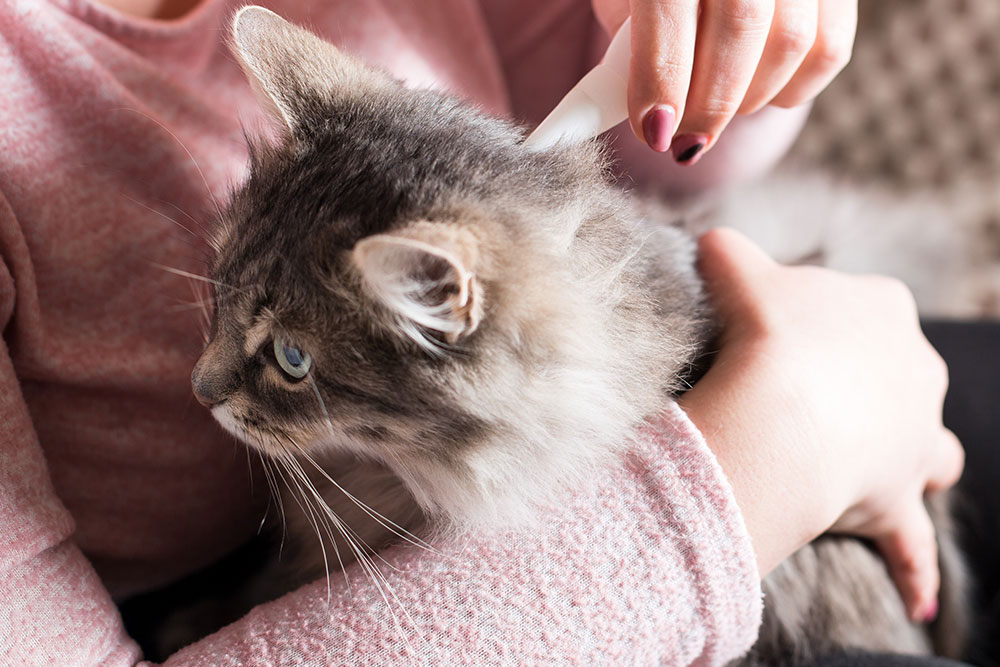
The range of preventive options for cats has expanded considerably. Topical products applied to the skin between the shoulder blades, oral medications, and combination products that address fleas, ticks, intestinal parasites, and heartworm simultaneously are all available.
The right choice depends on the individual cat: their tolerance for handling, other pets in the household, specific regional risks, and any health factors that might influence product selection. Our pharmacy carries flea and tick products for cats as well as heartworm prevention for cats, and the team can help identify which product or combination provides the most complete coverage with the least hassle.
Consistency matters as much as product choice. Setting calendar reminders for monthly treatments and coordinating refills before running out prevents the gaps that leave cats unprotected.
Testing: What to Check and When
Why Fecal Testing Belongs in Every Annual Exam
Fecal testing is a microscopic examination of a stool sample that detects parasite eggs and organisms not visible to the naked eye. A cat can be carrying a significant roundworm burden without any symptom that an owner would notice, and the only way to know is to test.
For indoor cats on consistent prevention, annual fecal testing at the wellness visit is typically sufficient to catch anything that slipped through. For cats with any potential exposure risk, two fecal tests per year provide a better baseline. Any cat showing GI symptoms like intermittent vomiting, loose stools, or weight changes warrants fecal testing as part of the workup regardless of indoor status.
The test itself requires a fresh stool sample (no more than 24 hours old), usually collected at home and brought to the appointment. It takes only a short time to run and provides meaningful information about what the cat may be carrying silently.
Signs That Warrant a Prompt Veterinary Visit
Owners who know what to look for can catch parasite problems before they become serious. Contact the practice promptly if a cat shows any of the following:
- Excessive scratching, over-grooming, or biting at the skin
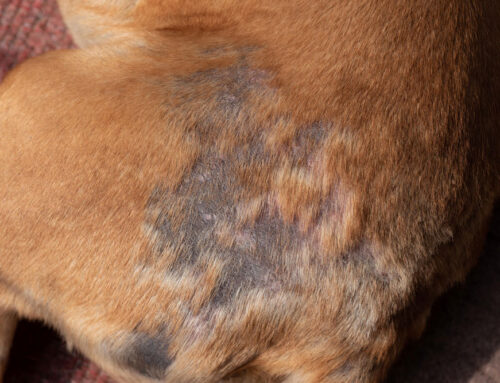
- Visible hair loss, scabbing, or skin changes
- Small dark specks in the coat or at the base of the tail (flea dirt, which is digested blood)
- Increased head shaking or pawing at the ears, or dark debris visible in the ear canal
- Changes in appetite, unexplained weight loss, or intermittent vomiting
- Soft or loose stools, especially with any mucus or blood
- Lethargy or hiding that seems out of character
- Coughing, wheezing, or any respiratory changes
The urgent care services at Santa Monica Veterinary Group are available seven days a week for evaluations that should not wait until a scheduled appointment.
Building a Prevention Plan with the Veterinary Team
The most effective approach to parasite prevention is one that is designed for your specific cat rather than applied generically. Factors that shape the right plan include the cat’s age and health status, whether other pets in the household go outdoors, the specific products best tolerated by that cat, how frequently fecal testing makes sense, and any changes to the household or environment over time.
A wellness visit is the right starting point for establishing or reviewing a prevention plan. The team at Santa Monica Veterinary Group incorporates parasite prevention into the broader wellness discussion at every annual exam, ensuring it evolves appropriately as the cat ages or household circumstances change. Request an appointment to get that conversation on the calendar.
FAQs About Indoor Cats and Parasites
My cat never goes outside. Do they really need flea prevention?
Yes. Fleas travel indoors on human clothing, visiting pets, and occasionally through gaps in screens. In Los Angeles, they are active year-round. The risk is lower than for outdoor cats but real enough that prevention is the better choice.
Can my cat get heartworm from a mosquito indoors?
Yes. Mosquitoes regularly enter homes and can transmit heartworm to cats. Feline heartworm disease has no treatment option, making prevention critical.
How often should my indoor cat have a fecal test?
Once a year as part of the wellness exam is typical for indoor cats on consistent prevention. Cats with any GI symptoms or potential exposure should be tested more frequently.
What should I do if I see something that looks like a worm in my cat’s stool or near their rear end?
Contact the clinic for guidance. Tapeworm segments, which look like small grains of rice, are sometimes visible without a microscope. A fecal test will identify what is present and guide treatment.
Are the flea and tick products safe for cats?
Products formulated and labeled for cats are safe when used as directed. Never use dog products on cats; several ingredients in dog flea products, including permethrin, are toxic to cats. The Santa Monica Veterinary Group team can recommend the appropriate products for each pet.
Year-Round Prevention Is Year-Round Peace of Mind
Indoor cats are not immune to parasites, and in a city like Los Angeles where fleas and mosquitoes are active in every month of the year, consistent prevention matters as much for the apartment cat as for the one with outdoor access. The good news is that keeping an indoor cat protected is straightforward with the right products, annual testing, and a veterinary team who keeps the plan current as the cat ages.
Santa Monica Veterinary Group provides exactly that kind of thorough, individualized care, built around the belief that every pet deserves a higher standard, not just the ones with obvious risk factors. Contact our practice to establish or update a parasite prevention plan for your indoor cat.




Leave A Comment