


Heart Medications for Dogs and Cats: What Pimobendan, Diuretics, and ACE Inhibitors Actually Do
When your pet is diagnosed with heart disease, the medication list can be intimidating. You might go home with two or three new prescriptions and wonder what each one does, how they work together, and what to watch for. Does timing matter? What happens if you miss a dose? Are they all really necessary? The good news is that cardiac medications for dogs and cats have come a long way, and most pets with heart disease live comfortably for months or years with the right combination of drugs and consistent monitoring.
At Santa Monica Veterinary Group, we provide comprehensive veterinary services including cardiac evaluation, diagnostics, and ongoing medication management. Our extended hours seven days a week mean you have access to our team when questions come up or symptoms change, including urgent care when something cannot wait. Request an appointment or contact us to schedule a cardiac evaluation or review your pet’s heart medications.
Heart Conditions That Require Medication
Cardiac medications are prescribed based on the specific condition driving the problem. The medication plan for a dog with mitral valve disease looks quite different from the plan for a cat with hypertrophic cardiomyopathy, and understanding why requires knowing a bit about each condition.
Common cardiac conditions in dogs and cats:
- Mitral valve disease: the most common cardiac condition in dogs, particularly in small breeds. The mitral valve gradually degenerates and leaks, forcing the heart to work harder to move blood forward. Over time this leads to heart enlargement and eventually fluid buildup in the lungs. This disease is often caught first when a murmur is heard through a stethoscope during a physical exam.
- Hypertrophic cardiomyopathy (HCM): the most common heart condition in cats. The heart muscle thickens, making the chambers smaller and reducing the volume of blood pumped with each beat. Maine Coons and Ragdolls have genetic predispositions.
- Dilated cardiomyopathy (DCM): the heart muscle weakens and the chambers enlarge, significantly reducing pumping efficiency. Seen in certain large dog breeds and less commonly in cats.
- Restrictive cardiomyopathy: primarily in cats; the heart muscle becomes stiff and resistant to filling, reducing cardiac output without chamber enlargement.
- Congenital heart disorders: structural defects present at birth; conditions like patent ductus arteriosus allow blood to bypass the lungs, reducing oxygen delivery.
- Sick sinus syndrome: common in Schnauzers; the heart’s natural pacemaker fails to generate a consistent rhythm, causing inappropriate pauses or bradycardia.
- Arrhythmias: abnormal heart rhythms can occur in both species; Boxers are particularly prone to ventricular arrhythmias.
Accurate diagnosis is what makes appropriate medication selection possible. Our services include echocardiography, which gives us the detailed structural picture needed to choose the right drugs for each patient.
Diagnosing Heart Disease: The Tests That Guide Treatment
Why Imaging Matters Before Prescribing
Treating heart disease without diagnostics is guesswork. The same outward symptoms- a cough, exercise intolerance, a murmur on exam- can point to several different conditions that each require a different approach. These three tools, used together, give us the full picture before any treatment decisions are made.
Echocardiogram
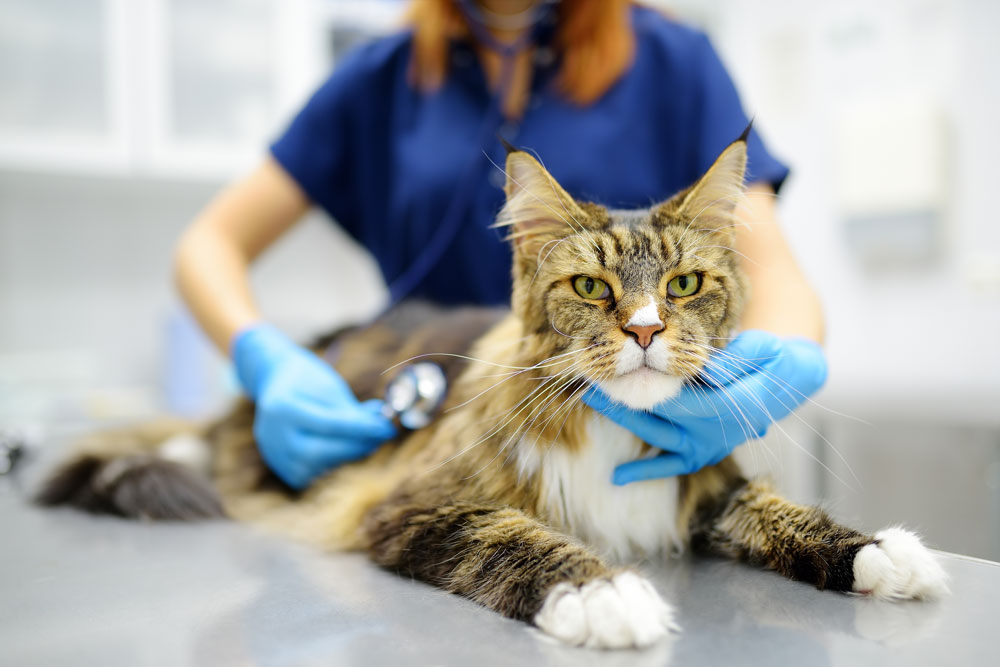
Echocardiograms use ultrasound to visualize heart structure in real time, measuring chamber sizes, assessing valve function, and evaluating how efficiently the heart is pumping. This is the single most informative diagnostic tool for cardiac disease because it shows what is actually happening mechanically, not just what the sounds suggest. Santa Monica Veterinary Group has echocardiography available in-house, allowing us to evaluate heart structure and begin treatment planning the same visit.
Electrocardiogram (ECG)
Electrocardiograms record the electrical activity of the heart, identifying arrhythmias- irregular rhythms that can range from benign to life-threatening. Some arrhythmias require their own specific medications separate from those used to manage structural disease, so identifying them before prescribing matters.
Chest Radiographs
Digital chest radiographs evaluate heart size and shape, and assess the lungs for fluid accumulation- one of the earliest and most serious consequences of decompensating heart disease. Radiographs are also the clearest way to confirm whether pulmonary edema (fluid in the lungs) is present, which directly determines whether diuretic therapy is needed and at what urgency. Together with echo and ECG findings, radiographs complete the baseline against which all future monitoring is compared.
Recognizing Heart Disease Early: What to Watch For
Species-Specific Signs
Heart disease signs in dogs often develop gradually:
- A persistent soft cough, especially at night or when lying down
- Reduced stamina or reduced exercise ability: dogs who previously enjoyed long beach walks in Santa Monica now lag behind or stop sooner
- Faster breathing than usual, even at rest
- Weight loss despite a normal appetite
Cats are masters at hiding symptoms, which makes early detection harder. Watch for:
- Reduced activity or hiding more than usual
- Rapid or labored breathing at rest
- Panting in cats, which is never normal and always warrants evaluation
- Reluctance to jump or unusual positioning when resting
Congestive Heart Failure: When to Act Now
Congestive heart failure (CHF) occurs when the heart can no longer pump effectively enough to prevent fluid from accumulating in the lungs or abdomen. At this stage, breathing becomes visibly labored, and the situation can become life-threatening quickly.
Signs that require same-day evaluation:
- Resting respiratory rate consistently above 40 breaths per minute
- Open-mouth breathing in a cat (always an emergency)
- Severe labored breathing, respiratory distress, or blue-tinted gums
- Pale or blue gums, indicating poor oxygen delivery
- Collapse or sudden severe weakness
- A distended, fluid-filled abdomen
Our urgent care is available during open hours Monday through Friday 8am to 8pm and weekends 8am to 6pm. For CHF presentations, call ahead at (310) 477-4400 so we can prepare for your arrival.
How Pimobendan Works
Pimobendan (brand name Vetmedin) is the cornerstone cardiac medication for dogs with mitral valve disease or dilated cardiomyopathy, and its mechanism explains its effectiveness. It works in two ways simultaneously: it increases the force of each heartbeat (positive inotrope), and it relaxes blood vessels, making it easier for the heart to push blood forward (vasodilator). Together, these effects allow the heart to pump more blood with less effort.
Research has consistently shown that starting pimobendan before a dog reaches clinical heart failure, specifically in dogs with enlarged hearts but no symptoms yet, significantly delays the onset of failure and extends comfortable survival time. This is why your veterinarian may recommend starting pimobendan even when your dog appears to feel fine.
Pimobendan is typically given twice daily and should be administered on an empty stomach for optimal absorption. Most dogs show meaningful improvement in breathing effort and exercise tolerance within days of starting the medication.
Diuretics: Removing Fluid That Is Making It Hard to Breathe
When fluid accumulates in the lungs or abdomen from heart failure, diuretics are what remove it. Furosemide (Lasix) is the most commonly used, and it often provides visible relief within hours: breathing becomes less labored, and comfort improves measurably.
Furosemide works by prompting the kidneys to excrete sodium and water, dramatically increasing urination. This is expected and necessary, but it means:
- Your pet will need more frequent bathroom access, especially in the early days
- Water intake will increase
- Kidney values require regular monitoring, because aggressive diuresis can strain kidney function
Dosing varies considerably based on how much fluid is present and how quickly it is building. Some pets start once daily and never need more. Others require doses two or three times daily during acute decompensation, then taper back to maintenance.
Spironolactone is sometimes added alongside furosemide for patients with advanced disease. It works through a different mechanism (blocking aldosterone rather than promoting direct fluid excretion) and provides complementary benefits, including some degree of cardiac remodeling protection over time.
ACE Inhibitors: Reducing the Heart’s Workload
ACE inhibitors (enalapril, benazepril) work by blocking the angiotensin-converting enzyme, which reduces the body’s production of angiotensin II, a hormone that causes blood vessels to constrict and promotes fluid retention. By blocking this pathway, ACE inhibitors relax blood vessels and reduce the volume of fluid the heart must pump against.
This reduction in workload is particularly beneficial for hearts already working too hard to compensate for a leaky valve or weakened muscle. ACE inhibitors also have some protective effects on kidney blood flow, which matters given that heart failure and its diuretic treatment both put the kidneys under stress.
For pets with systemic hypertension alongside heart disease, ACE inhibitors contribute to blood pressure management while simultaneously easing cardiac load.
Kidney values and electrolytes should be checked within one to two weeks of starting an ACE inhibitor and at regular intervals thereafter. This monitoring is a standard part of the cardiac management program, not an optional add-on.
Beta-Blockers for Specific Conditions
Beta-blockers like atenolol are not used for all cardiac patients, but they play an important role in specific situations. In cats with HCM, particularly those with obstructive forms or dangerously fast heart rates, atenolol slows the heart and reduces the force of contraction, which paradoxically improves efficiency by giving the thickened chamber more time to fill.
In dogs with certain rhythm disturbances, beta-blockers control ventricular rate and reduce the risk of dangerous arrhythmia progression. Careful dosing is required because too much slowing in a heart that already struggles can worsen output. Regular monitoring and clear communication with our team about any changes in energy or exercise tolerance are essential.
Why Multiple Medications Are Needed
Heart failure affects multiple systems simultaneously, and no single medication can address everything. This is the reason multi-drug protocols are standard rather than exceptions.
| Medication | Primary Role |
| Pimobendan | Strengthens heartbeat; relaxes blood vessels |
| Furosemide | Removes excess fluid from lungs and body |
| Spironolactone | Complements furosemide; reduces cardiac remodeling |
| ACE inhibitor | Relaxes vessels; reduces fluid retention; protects kidneys |
| Beta-blocker | Controls heart rate; addresses specific arrhythmias |
Heart disease medications are adjusted over time as the disease progresses. A pet who is well-controlled on a lower dose today may need adjustment six months from now. This is not a treatment failure; it is the nature of managing a progressive condition, and regular rechecks make sure adjustments happen before symptoms worsen.
Monitoring at Home: What to Track Every Day
Active home monitoring is one of the most valuable things you can do for a pet on cardiac medications. It gives us real-time information between appointments and allows us to adjust doses before a crisis develops.
Resting respiratory rate: Count your pet’s breaths while they sleep, once a day. Counting resting breaths accurately requires watching the chest rise and fall for 30 seconds and doubling the count. Under 30 breaths per minute is typical. Over 40 is a sign of worsening fluid and warrants a same-day call to our team.
Body weight: weigh your pet weekly on the same scale at the same time of day. A sudden gain of more than 0.5 kg (about one pound) in 24 to 48 hours suggests fluid accumulation and should be reported.
Energy and appetite: note any changes in interest in food, willingness to walk, or activity around the house. Subtle declines often precede visible respiratory changes.
Medication compliance: note if your pet vomits shortly after a dose, refuses a pill, or misses a scheduled medication so we can advise on next steps.
Exercise for Cardiac Patients
It might seem counterintuitive, but appropriate gentle exercise benefits many pets with heart disease, particularly those in early or well-managed stages. Heart-healthy exercise maintains muscle mass, supports a healthy weight, improves circulation, and preserves quality of life.
The key word is appropriate. For a dog in early mitral valve disease, a daily gentle walk of 15 to 20 minutes in the moderate Santa Monica weather may be excellent. For a pet in active heart failure, the priority is rest while medications work. We will give you specific guidance based on your pet’s current condition at each recheck visit.
Stop exercise and call us if you notice:
- Increased respiratory effort during or after activity
- Stumbling, weakness, or reluctance to continue
- Blue or pale gums
- Collapse
Frequently Asked Questions About Cardiac Medications
Why is my pet suddenly breathing faster?
Faster breathing at rest often means fluid is building up in or around the lungs. Count breaths while your pet sleeps. If the rate is consistently above 40 per minute, contact us the same day.
Do these medications need to be given forever?
Most cardiac medications are long-term. The goal over time is to maintain comfort and quality of life with the fewest medications necessary at the lowest effective doses. We adjust the plan based on your pet’s response.
What if I miss a dose?
Give the missed dose as soon as you remember, as long as it is not close to the next scheduled dose. If it is nearly time for the next dose, skip the missed one and continue the normal schedule. Never double up. If in doubt, call us.
Can diet help my pet’s heart?
Sodium restriction benefits many cardiac patients by reducing the kidney’s retention of water and limiting fluid accumulation. If your pet is on diuretics, a moderate-sodium diet (not severely restricted) is often recommended. We can guide you on appropriate food choices at your next appointment.
Managing Heart Disease Together
A cardiac diagnosis is not the end of a happy life with your pet. It is the beginning of a management plan, and with the right medications, consistent monitoring, and a veterinary team you can reach when questions arise, most pets with heart disease continue to thrive for meaningful periods of time. At Santa Monica Veterinary Group, we are here seven days a week because heart disease does not follow a Monday-through-Friday schedule, and neither should your access to support.
Request an appointment for a cardiac evaluation, or contact us at (310) 477-4400 if your pet’s symptoms have changed and you need guidance today.


Leave A Comment