

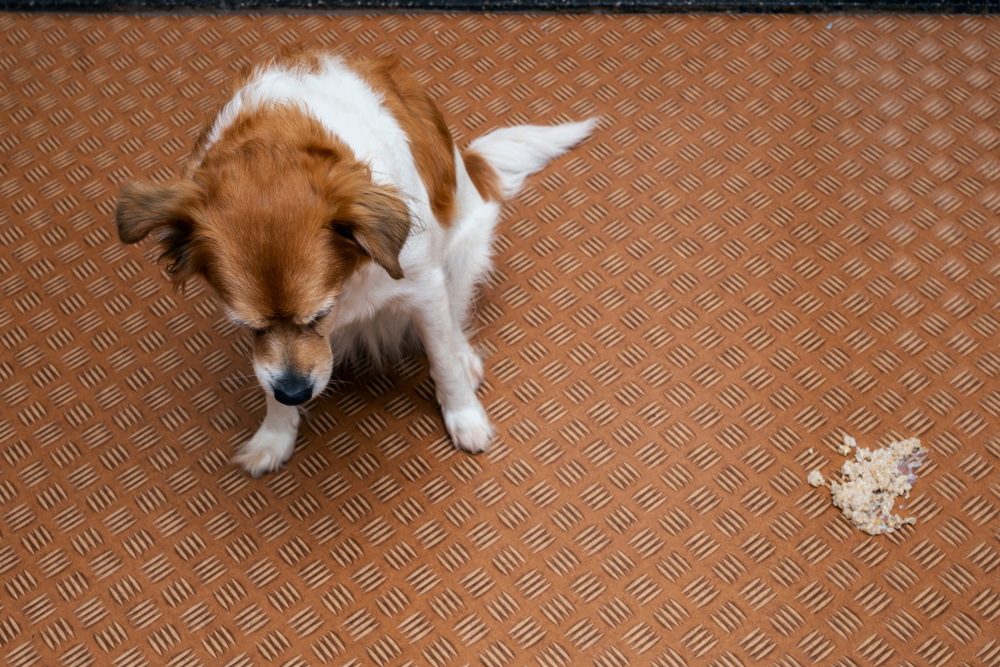
When Vomiting Won’t Stop: A Veterinary Guide to Chronic GI Problems in Pets
You have been through the cycle more times than you would like: your pet throws up, seems fine for a day or two, then does it again. Maybe you have switched foods, tried feeding smaller portions, or searched every possible explanation online without finding one that sticks. Chronic vomiting in dogs and cats, defined as vomiting that persists beyond two to three weeks or keeps recurring, is one of the most common and most frustrating reasons people seek veterinary help for their pets. The cause could be dietary, hormonal, inflammatory, or structural, and each requires a different treatment.
Our family-owned Santa Monica Veterinary Group offers comprehensive services including internal medicine, diagnostics, and endoscopy, which means we can investigate chronic vomiting from start to finish under one roof. We will work through the possibilities methodically and keep you informed at every stage. Request an appointment or contact us if your pet has been vomiting regularly and you are ready for answers.
What the Vomiting Is Telling You
Not all vomiting looks or means the same thing, and the details you observe at home often point us in the right direction before any tests are run.
Reading the Pattern
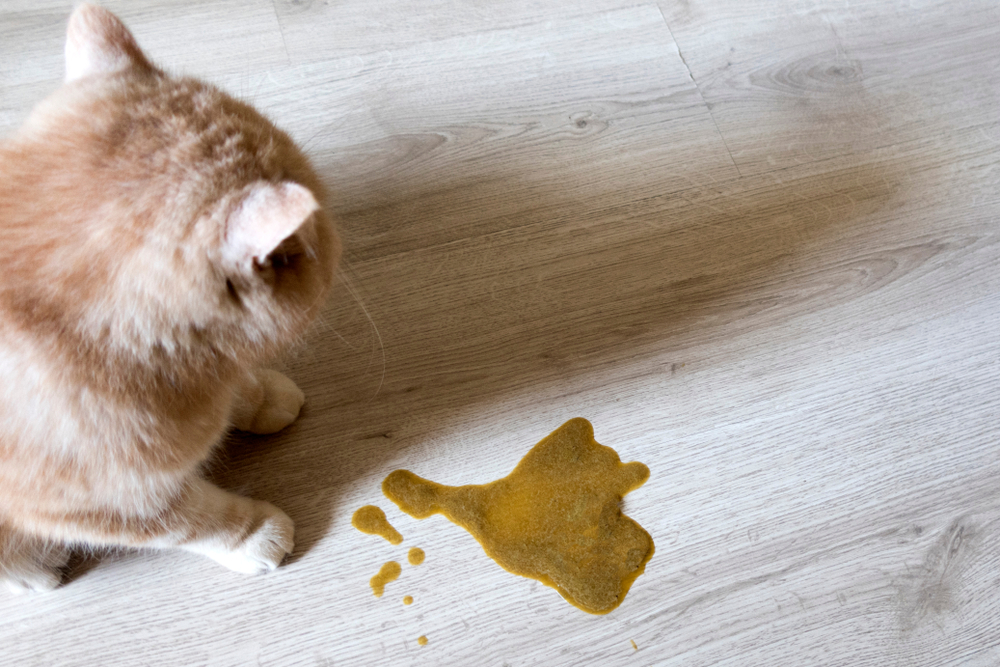
The appearance of vomit provides meaningful clinical information. Yellow or clear bile vomited on an empty stomach (often in the morning) suggests bilious vomiting syndrome, where bile accumulates overnight and irritates the stomach. Partially digested food that comes up hours after eating points toward delayed gastric emptying or a motility problem. Bright red blood or dark coffee-ground material indicates active or recent GI bleeding and warrants same-day evaluation.
Timing matters too. Vomiting within minutes of eating with food appearing barely chewed may indicate megaesophagus, a condition where food collects in the esophagus rather than reaching the stomach. This is actually regurgitation rather than true vomiting, and the distinction changes the diagnostic approach entirely.
When to Make an Appointment
Some vomiting can wait for a scheduled visit; some cannot.
Schedule soon (within a few days):
- Vomiting more than two to three times per week for more than two weeks
- Weight loss alongside recurring vomiting
- A change in appetite or energy level concurrent with GI symptoms
- Recurring hairballs in a cat that have recently become more frequent or forceful
- A clear connection to specific foods or treats
Senior pet health concerns warrant closer attention. Kidney disease, liver disease, and hyperthyroidism in cats commonly announce themselves through vomiting long before other signs develop.
Same-day urgent evaluation at our urgent care for:
- Vomiting blood or producing dark, tarry stool
- Repeated retching without producing much, especially in large breeds
- Abdominal pain, hunching, or distension
- Unable to keep water down for more than 12 to 24 hours
- Significant lethargy or collapse alongside vomiting
The Most Common Causes of Chronic Vomiting
Diet and What Gets Into the Food Bowl
Food is where many GI investigations start, and it is often where the answer lies. True food allergies involve an immune-mediated reaction to a specific protein, can develop at any age regardless of how long a pet has eaten the same food, and produce non-seasonal symptoms that flare and subside but never fully resolve.
Pet food selection matters, but equally important is what else gets in. Dietary indiscretion (eating something they should not) is among the most common causes of acute and recurrent GI upset in dogs. Santa Monica’s outdoor lifestyle means dogs may encounter unusual things at the beach, in parks, or on walks- or just from your trashcan. GI obstructions from swallowed objects can be rapid onset, but also look like chronic vomiting when the obstruction is only partial. Fabric, string, and small toys are notorious for causing this pattern.
When Organs Are the Real Problem
Chronic vomiting frequently signals systemic disease before other signs appear:
- Chronic kidney disease:waste product accumulation when filtration fails causes persistent nausea; particularly common in senior cats
- Liver diseaseand gall bladder disease: impaired bile processing broadly affects GI function
- Feline hyperthyroidism:overactive thyroid drives vomiting alongside weight loss, increased appetite, and restlessness in older cats
- Pancreatitis:inflammation of the pancreas produces significant nausea that can become chronic
- Diabetes mellitus:blood glucose dysregulation affects appetite and digestion
Primary GI Conditions
When systemic disease is ruled out, investigation shifts to the GI tract itself:
- Inflammatory bowel disease (IBD):chronic immune-mediated inflammation of the intestinal wall; one of the most common GI diagnoses in cats
- Small-cell intestinal lymphoma:in cats, this condition mimics IBD so closely that tissue samples are required to distinguish them
- Gastric ulcers:erosion of the stomach lining, often related to NSAID use or prolonged stress
- Bilious vomiting syndrome:bile accumulates in an empty stomach overnight, producing early-morning vomiting that resolves after eating
- Gastric cancer:less common but worth ruling out in older pets with chronic symptoms that do not fit other patterns
Fast Eating and Stress
A dog or cat who eats quickly can bring food back up within minutes, looking barely chewed. It’s laughingly called “scarf and barf”, but it’s not funny when you have to continuously clean your rug. Interactive feeders and puzzle bowls dramatically slow consumption, and keeping pets separate helps reduce competition-driven speed eating.
Stress and anxiety are significant GI triggers, particularly in cats. Feline stress from household changes, new pets or people, or schedule disruption can produce vomiting that is clinically indistinguishable from GI disease. If vomiting began around a life change, that context belongs in the appointment conversation.
The Diagnostic Process at Santa Monica Veterinary Group
Starting With the Basics
A thorough workup moves systematically through the possibilities:
- Take a thorough history and physical exam:weight, body condition, abdominal palpation
- Runbloodwork: CBC and chemistry to screen for organ disease, infection, and metabolic contributors
- Collect aurinalysis: kidney function assessment and metabolic markers
- Submitfecal testing: parasites and GI pathogens
- Take imaging:radiographs for organ size, gas patterns, and foreign material; ultrasound for intestinal wall layering and organ architecture
Elimination Diet Trials
When initial testing does not identify the cause, a structured diet trial is the appropriate next step. A novel or hydrolyzed protein diet fed strictly for 8 to 12 weeks, with nothing else consumed, is the gold standard for diagnosing food allergy. Partial adherence produces unreliable results.
Sensitive stomach diets for dogs and cats are available in our pharmacy for pets whose GI tract benefits from a more easily digestible formulation.
Endoscopy and GI Biopsy
Endoscopy uses a flexible camera under anesthesia to visualize the esophagus, stomach, and upper intestine while collecting mucosal tissue samples. Recovery is typically rapid. Santa Monica Veterinary Group offers this procedure in-house, which means your pet does not need a separate referral for this diagnostic step.
When endoscopic biopsy is insufficient, exploratory laparotomy provides full-thickness GI biopsy samples from multiple intestinal locations. This level of sampling is necessary to distinguish IBD from small-cell intestinal lymphoma, since these conditions look identical on endoscopic surface samples but require completely different treatments.
Treatment Matched to Diagnosis
| Cause | Approach |
| Food allergy | Long-term management on confirmed safe diet |
| Organ disease | Targeted management by organ system |
| IBD | Immunosuppressive therapy, diet, B12 supplementation |
| Small-cell lymphoma | Chemotherapy protocol and corticosteroids |
| Parasites or infection | Antimicrobials based on testing |
| Fast eating | Puzzle feeders, smaller more frequent meals |
| Stress-related | Environmental modification, behavioral support |
Supportive products available in our pharmacy:
FortiFlora and Proviable-DC support GI microbiome health during and after illness. Browse cat probiotics and dog probiotics for additional options. For cats with hairball-related vomiting, Laxatone, hairball control soft chews, and hairball care diets are available.
Tracking Between Appointments
Keep a simple log between visits: date and time of each episode, how soon after eating it occurred, what it looked like, and everything consumed that day including treats. This pattern information is frequently the most valuable input for guiding the workup. Photos taken on your phone during or immediately after episodes are useful too, particularly for distinguishing vomiting from regurgitation.
If symptoms worsen significantly before a scheduled appointment, call us or come in during our open hours seven days a week. Vomiting that is clearly escalating should not wait several more days just because the original appointment is not yet here.
Frequently Asked Questions
Is occasional vomiting normal?
For cats, two or three hairball episodes per month or less may fall within normal range. Vomiting multiple times per week, or any vomiting with weight loss, appetite changes, or behavior changes, is not normal and warrants evaluation.
How long does a food trial take?
A meaningful elimination diet trial requires 8 to 12 weeks of strict adherence. Partial compliance produces unreliable results. The timeline feels long but provides a definitive answer that guides long-term management.
When should I consider this an emergency?
Vomiting blood, signs of abdominal pain or distension, unproductive retching, or inability to keep water down for more than 12 to 24 hours warrants same-day evaluation at our urgent care.
Start With Answers, Not More Guessing
Santa Monica Veterinary Group is built around the idea that better care means working through the actual cause, not rotating through treatments and hoping something works. Our in-house endoscopy capability, combined with full diagnostic workup under one roof, means fewer referrals and faster answers for your pet.
Request an appointment and let our team help you get to the bottom of the vomiting cycle that has been frustrating you both.

Leave A Comment