


Supporting Every Step: Understanding Pet Mobility Aids and When to Use Them
It’s hard to watch your usually bouncy dog struggle to get up from the floor, or see your agile cat hesitate before jumping onto their favorite sunlit perch. That moment when a pet starts slipping on the hardwood or avoiding the stairs can bring a rush of concern, but also a fierce determination to help them keep enjoying life. So what can you actually do when mobility starts to change? Thankfully, there is an incredible range of harnesses, carts, and traction aids designed to keep pets mobile and comfortable, and choosing the right ones doesn’t have to be something you figure out alone.
At Santa Monica Veterinary Group, we believe in providing a higher standard of compassionate care, which means looking beyond the immediate problem to create a personalized plan. We incorporate detailed diagnostics and supportive options, including Eastern Medicine and rehabilitation, to guide you toward the best assistive devices and therapeutic strategies for your pet. We encourage you to request an appointment for a mobility assessment, or explore our full range of services to see how we can support your canine or feline family member.
How Do You Know Your Pet Needs Mobility Help?
Mobility assistance isn’t about admitting defeat. It’s a practical tool to reduce pain, protect joints, and let your pet keep doing the things they love.
Common signs to watch for:
- Hesitation on stairs or slick floors
- Slower transitions from lying down to standing
- Shortened stride, scuffing nails, or a “bunny hop” gait
- Less interest in play or avoiding certain rooms
- Mood changes connected to discomfort
Before choosing equipment, a thorough evaluation helps pinpoint what’s actually going on. Our doctors use advanced diagnostics and pain management to tailor support, and our services include ultrasounds, orthopedic care, radiographs, and rehab guidance to create an individualized plan.
Which Conditions Benefit Most From Mobility Support?
Arthritis
Osteoarthritis is one of the most common conditions affecting older dogs and cats, though it can develop at any age following joint injuries, developmental conditions, or years of normal wear. The cartilage that cushions joints gradually breaks down, leading to inflammation, stiffness, and pain that tends to worsen over time. You might notice your pet moving more slowly in the morning, hesitating before jumping, or seeming stiff after a nap.
Management combines weight control, anti-inflammatory medications, joint supplements, and physical therapy. Support harnesses help arthritic pets navigate stairs, rise from slippery floors, and get in and out of vehicles without straining painful joints. Traction aids are especially valuable since arthritic pets often lose confidence on smooth surfaces and begin avoiding rooms or routes they once walked easily. Paired with medical management, these tools help arthritic dogs and cats stay active and comfortable for years.
Intervertebral Disc Disease (IVDD)
When cushioning discs between vertebrae rupture or bulge, they put pressure on the spinal cord and cause pain, weakness, or even paralysis. Intervertebral disc disease is common in long-backed breeds like Dachshunds and Beagles, though any dog can be affected. Symptoms range from mild back pain and reluctance to jump all the way to dragging rear legs. Treatment depends on severity and may include strict rest, anti-inflammatory medications, or surgery. Recovery timelines vary, and support harnesses play a critical role by helping pets stand and walk safely during healing. Many dogs regain significant function, though some need long-term assistance, and having the right harness in place from the start makes the transition smoother. For pets that never regain use of their rear limbs, wheelchairs can be life-changing.
Degenerative Myelopathy
Degenerative myelopathy is a progressive spinal cord disease most common in German Shepherds and related breeds. It typically begins with subtle rear leg weakness and poor coordination in middle-aged to senior dogs, then advances over months to years. While there’s no cure, supportive care maintains quality of life as long as possible. Rear support harnesses help in early stages, and full-body harnesses or carts restore independence as weakness increases. Booties are essential to protect paws, as this condition often results in dragging rear paws or loss of the ability to stand on the bottom of their foot properly. Physical therapy, controlled exercise, and careful monitoring help dogs stay comfortable and engaged throughout the disease course.
Cancer, Amputation, and Life on Three Legs
Trauma, birth defects, and cancer are all common reasons dogs and cats may lose a leg- but that doesn’t mean they have to lose their mobility. Osteosarcoma is an aggressive bone cancer most common in large and giant breed dogs. Treatment often involves amputation surgery to remove the tumor and relieve pain, frequently combined with chemotherapy to slow spread. The decision feels overwhelming, but most dogs adapt remarkably well to life on three legs.
During initial recovery, support harnesses help navigate stairs, slippery floors, and outdoor terrain while building confidence and strength. Some three-legged dogs continue using harnesses long-term for added stability on challenging surfaces, and front-leg amputees often benefit more from harness support than rear-leg amputees, though individual needs vary.
What Types of Mobility Devices Are Available?
Support Harnesses: A Steady Hand When They Need It Most
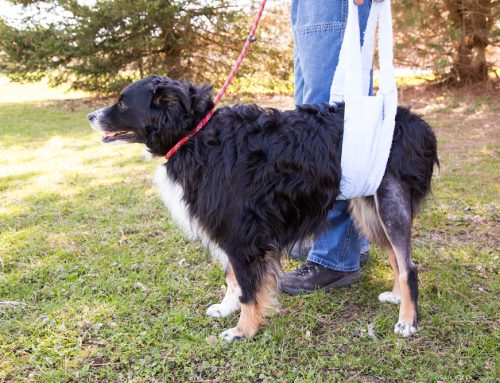
Well-designed support harnesses come in rear-only, front-and-rear, or full-body styles, so the fit matches the problem you’re solving. Pets recovering from surgery may need full-body support, while those with hind-end weakness often do well with rear-only designs. Fit matters: breathable materials, padded straps, and multiple adjustment points protect the skin and prevent chafing. Use harnesses during the moments that are hardest, like steps, car entry, and bathroom breaks, then build tolerance with calm, brief sessions paired with treats and praise. Our team can help you choose and introduce a harness thoughtfully.
Check out these great options in our online pharmacy:
When Are Joint Braces the Right Choice?
Sometimes a pet’s mobility challenge centers on a specific joint rather than overall weakness, and that’s where braces come in. Joint braces stabilize the knee or elbow while still allowing controlled movement, which can reduce pain and prevent further injury during healing or daily activity.
Knee injuries are one of the most common reasons dogs need bracing. A canine cruciate ligament injury causes instability in the knee joint, leading to lameness, pain, and difficulty bearing weight. While surgery is often the gold-standard treatment, braces can play a supporting role during recovery or serve as a management option for dogs who aren’t surgical candidates due to age, health, or other factors. Elbow conditions, including arthritis and soft tissue injuries, can also benefit from targeted bracing to reduce strain and protect the joint during movement.
When choosing a brace, proper fit and stability are essential. Many standard braces can shift during activity, so designs with a contralateral anchor strap (which loops around the opposite leg to hold the brace in position) tend to stay in place much better during walks and play.
Knee braces:
- Knee Protector Brace for basic stabilization
- Pro Knee Protector with contralateral anchor for enhanced security during activity
Elbow braces:
- Elbow Protector Brace for standard support
- Pro Elbow Protector with contralateral anchor for dogs who need a brace that stays put
As with any device, braces work best when introduced gradually and paired with veterinary guidance. Our team can assess whether a brace is appropriate for your dog’s specific condition and help you find the right fit.
Mobility Carts: Rolling Toward Independence
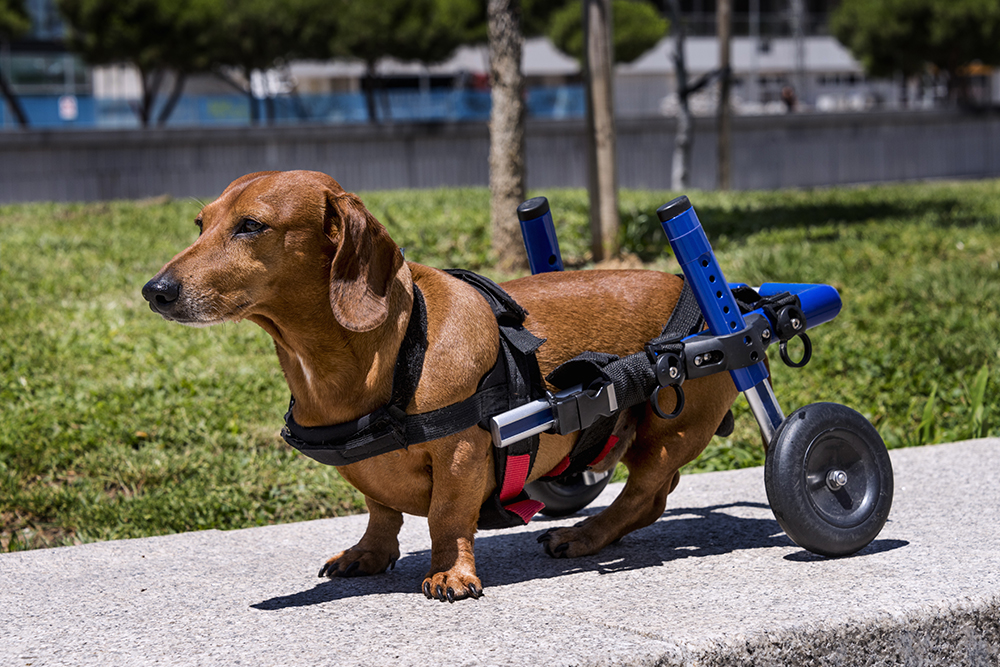
Mobility carts are life-changing for pets with paralysis, severe weakness, or limb loss. Choose between custom-built for tailored balance or adjustable for growth and weight changes. Introduce gradually on smooth, flat surfaces to build confidence, inspect skin daily for pressure points, and pair cart time with strengthening exercises and rest. Most pets adapt quickly and rediscover curiosity and play.
Traction Aids: Confidence on Slippery Floors
Slippery hardwood, tile, and laminate can turn a simple walk into a slide. Thoughtful traction aids help paws grip the ground and make movement safer. Options include nail grips for natural traction, non-slip booties or socks, paw wax for temporary stickiness, and area rugs or runners to create predictable pathways. For pets who need paw protection along with grip, hard sole booties provide durable traction on smooth surfaces while shielding sensitive paw pads. Keep nails trimmed, check devices daily for wear, and use positive reinforcement during introduction. Traction aids can stand alone for mild instability or combine with harnesses for more comprehensive support.
Rubberized nail caps, like those used to prevent cats from scratching furniture, can also help provide extra traction on slippery floors. Our online pharmacy offers these as a great option.
What Home Changes Make the Biggest Difference?
Your home can reduce slips and strain with simple, low-cost adjustments. Placing rugs with grippy backings along hallways and near favorite resting spots creates an arthritis-friendly home for dogs that transforms daily safety. Ramps with gentle angles and textured surfaces help with couches, cars, and porches. Elevated food and water bowls reduce neck and shoulder tension. Supportive beds with bolsters make it easier to rise and settle.
For cats, wider and lower-entry litter boxes along with strategic home modifications for cats respect natural preferences and keep routines stress-free. If you’d like personalized guidance for your specific layout, contact us to discuss home setup and device choices.
Why Do Devices Work Best With Veterinary-Led Care?
Assistive devices are most effective when paired with medical support that addresses pain, inflammation, muscle strength, and whole-body health. Pain control lays the foundation, because a pet in pain won’t move regardless of the device.
Key elements of a comprehensive mobility management plan:
- Veterinary physical rehabilitation to build strength, coordination, and confidence
- Targeted acupuncture for pain control and relaxation
- Laser therapy to reduce inflammation and promote tissue recovery
- Weight management, since extra pounds strain already sore joints
Our team integrates these therapies based on your pet’s condition and tolerance, and our services include advanced diagnostics to monitor progress and adjust as needed.
How Do You Choose and Introduce the Right Device?
Selecting a device starts with understanding your pet’s unique needs and your home environment. Meet with your veterinary team to assess gait, muscle strength, pain points, and home risks. Measure carefully for harnesses or carts and confirm weight ranges for a secure fit. Keep first sessions short, quiet, and predictable, using treats and praise to create positive associations. If you notice rubbing, frustration, or awkward posture, troubleshoot early by adjusting straps or trying a different style. Revisit fit regularly as pets gain strength or lose weight. Our team will walk you through options and build a realistic plan that matches your lifestyle.
FAQs About Mobility Aids for Pets
How do I know when it’s time to try a mobility aid?
When you notice hesitation with stairs, slipping on smooth floors, difficulty rising, or slowed activity, it’s worth exploring options. A veterinary assessment can determine which tool fits best.
Are carts only for paralyzed pets?
No. Carts also help pets with severe weakness or limb loss, especially when paired with rehabilitation to maintain strength in functioning limbs.
Can cats use harnesses or traction aids?
Yes. Many cats benefit from well-fitted harnesses, nail grips, or strategic rug placement. Cats often need slower introductions, but they adapt well with patience.
Do mobility aids replace medical care?
They work best alongside pain control, rehabilitation, and weight management. Devices support movement, but addressing the underlying condition makes the biggest difference.
Where should I start?
Begin with a veterinary assessment, then choose one tool and introduce it gradually with treats and praise. Our team can guide you through the entire process.
Your Partner in a Safer, Happier Mobility Journey
Mobility challenges are manageable with the right tools, home adjustments, and veterinary partnership. Harnesses, carts, and traction aids open doors to movement and comfort, not limitations. Whether your pet needs short-term help during recovery or long-term support for a progressive condition, we bring experience and compassion to every mobility assessment.
If you’re ready to start, please contact us to ask questions or schedule a mobility assessment. For sudden changes that need timely attention, our urgent care team can evaluate and guide immediate next steps. You can also request an appointment for a tailored consultation that fits your pet’s needs and your home. We’re here to help you feel supported and confident every step of the way.



Leave A Comment