

Supporting Senior Dogs With Compassion and Care
When your dog begins to slow down, it’s easy to assume that age is the only reason. But conditions like arthritis, dental disease, or heart issues are often the real culprits behind stiffness, fatigue, and personality changes. Recognizing these problems early allows for effective treatment and gives your companion a longer, more comfortable life.
At Santa Monica Veterinary Group, we believe aging pets deserve the same enthusiasm, compassion, and care they’ve always shown you. Our family-owned hospital provides a better way to care by combining advanced diagnostics, pain management, and rehabilitation with Eastern medicine and personalized support. Whether your dog needs gentle acupuncture, an echocardiogram, or simple reassurance, we’re here to help your companion age gracefully and comfortably.
Understanding the Aging Process
Senior dogs experience gradual physical and cognitive changes that affect how they move, eat, and interact. Metabolism slows, joints stiffen, and organ function naturally declines. Some dogs begin losing hearing or vision, while others sleep more or show mild confusion.
Although these changes are expected, many symptoms blamed on “just getting old” actually stem from treatable disease. Regular senior care helps separate normal aging from underlying illness.
Preventive testing for senior pets gives veterinarians baseline health data to monitor trends. At Santa Monica Veterinary Group, we recommend twice-yearly wellness visits for senior dogs that include comprehensive blood work, urinalysis, and imaging when needed. These tools help detect subtle issues such as kidney strain, thyroid imbalance, or early arthritis before they become painful or dangerous. Maintaining early awareness allows us to intervene before permanent damage occurs.
Common Health Concerns in Senior Dogs
Arthritis and Joint Pain
Arthritis, or osteoarthritis, is one of the most common and painful conditions seen in older dogs. Over time, the smooth cartilage that cushions joints breaks down, leading to inflammation, swelling, and grinding between bones. Dogs may hesitate to climb stairs, rise slowly from rest, or lose interest in walks they once loved.
A multimodal treatment plan combining anti-inflammatories, weight management, exercises for dogs with osteoarthritis, and physical therapy can dramatically improve comfort. Assistive devices like ramps and harnesses protect sore joints, and supplements containing glucosamine, chondroitin, and omega-3 fatty acids nourish joint tissue and reduce inflammation.
At our practice, we often pair medication with laser therapy, acupuncture, and rehabilitation exercises to increase blood flow, reduce pain naturally, and strengthen surrounding muscles for better long-term mobility.
Heart Disease
Cardiac disease is a leading cause of illness in older dogs. Degenerative valve disease, common in small breeds, allows blood to leak backward through the heart valves, while large breeds may develop dilated cardiomyopathy, a weakening of the heart muscle itself. Early signs such as coughing, reduced stamina, or fainting are often subtle but progress quickly if untreated.
Our advanced diagnostics- digital radiographs, ultrasounds, and echocardiograms– allow us to visualize the heart’s structure and function in real time. Treatment may include medications that reduce fluid buildup, improve heart contractions, and regulate blood pressure.
We also teach families how to track resting respiratory rates at home, since an increasing rate can signal early fluid accumulation. With routine monitoring and the right therapy, many dogs with heart disease enjoy active, happy years beyond their diagnosis.
Kidney and Liver Disease
As the kidneys and liver age, their ability to filter toxins and metabolize waste diminishes. Chronic kidney disease can develop gradually, often showing up first as increased thirst, frequent urination, or weight loss. Liver disease can cause nausea, vomiting, and yellow-tinged gums or eyes (jaundice).
Blood chemistry panels, urinalysis, and abdominal ultrasound help determine how well these organs are functioning. Early intervention with prescription diets, fluid therapy, and medications can slow disease progression and improve quality of life. When caught early, dogs with mild kidney or liver disease can remain stable for many months or even years with supportive care and regular rechecks.
Hormonal and Metabolic Disorders
Hormonal imbalances affect energy, metabolism, and organ function. Diabetes occurs when the pancreas fails to produce or properly use insulin, causing increased thirst, urination, and weight loss despite a good appetite. Hypothyroidism results from low thyroid hormone production, leading to fatigue, weight gain, and thinning hair.
These disorders are diagnosed through blood testing and managed with daily medication and close monitoring. Dietary adjustments, consistent feeding times, and weight control are essential for long-term stability. With ongoing care, diabetic and hypothyroid dogs often return to their normal energy levels and remain healthy for years.
Cognitive Decline
Just as humans can experience dementia, dogs may develop cognitive dysfunction syndrome. This neurodegenerative condition affects memory, learning, and awareness. Dogs may appear confused, pace at night, or forget familiar routines such as housetraining. They might also withdraw from social interaction or seem disoriented in known environments.
While cognitive decline cannot be cured, it can be managed. Prescription diets enriched with antioxidants, omega-3 fatty acids, and medium-chain triglycerides support brain health. Supplements containing SAMe and selegiline can improve alertness and slow progression. Environmental enrichment- like interactive toys, gentle exercise, and consistent daily routines- helps maintain mental engagement and reduce anxiety. Gentle reassurance and patience are key for these pets as they navigate age-related changes.
Cancer
Cancer becomes increasingly common with age, and types of cancer in pets range from skin masses to internal organ tumors. Warning signs include new lumps, swelling, unexplained weight loss, loss of appetite, or non-healing wounds. Some tumors grow slowly, while others spread aggressively.
At Santa Monica Veterinary Group, we use advanced imaging, cytology, and biopsy to identify cancer early. Treatment options depend on type and stage and may include surgical removal, chemotherapy, or targeted medication to slow growth. For patients where cure is not possible, palliative care focuses on comfort, pain control, and maintaining appetite and mobility. Early detection dramatically improves both survival and quality of life.
Dental Disease
Dental disease is one of the most overlooked sources of pain in older dogs. Plaque hardens into tartar, leading to gingivitis, tooth loss, and systemic infection. Bacteria from the mouth can enter the bloodstream, affecting the heart, liver, and kidneys.
Our dental cleanings under anesthesia allow for complete scaling above and below the gumline and digital dental X-rays to evaluate bone and tooth root health. If infection or decay is found, we perform extractions and provide pain management and antibiotics when necessary. Regular home care with brushing, dental chews, and routine exams helps prevent painful recurrence and keeps the whole body healthier.
Integrative and Eastern Medicine Options
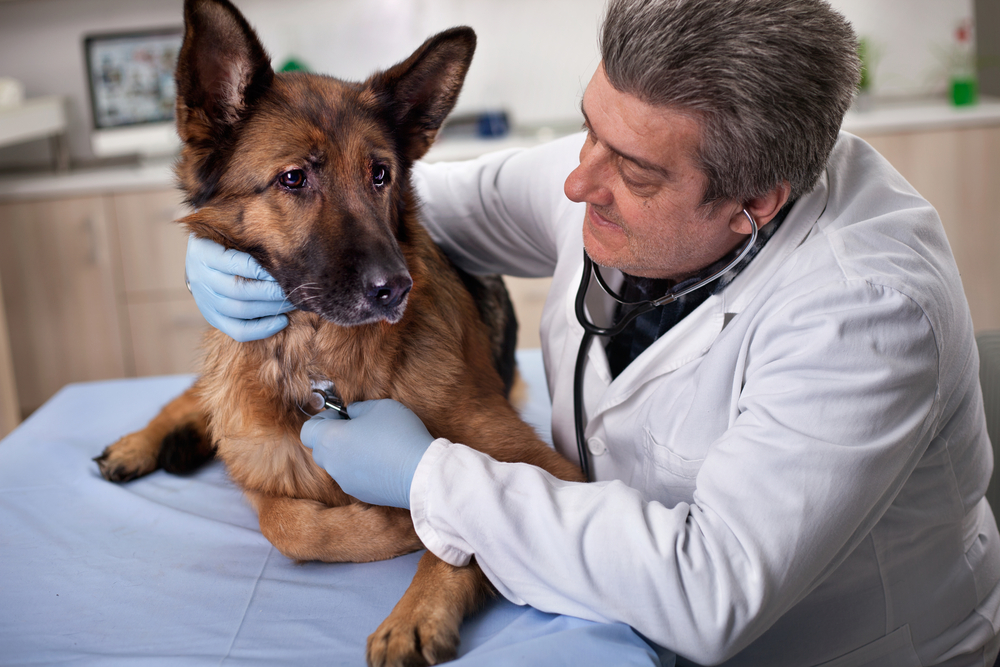
Santa Monica Veterinary Group incorporates Eastern Medicine and rehabilitation into our senior care plans to provide whole-body healing. Acupuncture can relieve pain, stimulate nerve function, and improve circulation. Laser therapy and therapeutic massage reduce inflammation and muscle tension, especially for arthritis and back pain.
Our veterinarians may also recommend Traditional Chinese Medicine (TCM) herbs or supplements to complement Western treatments. TCM focuses on restoring internal balance and energy flow, supporting digestion, mobility, and stress relief. Integrating both Eastern and Western approaches allows us to tailor care to each dog’s needs- addressing not just disease, but overall vitality and emotional well-being.
The Importance of Proactive Senior Care
The difference between comfort and decline often comes down to timing. Semi-annual senior exams detect emerging problems before they become advanced. Preventive care also helps families plan for age-related changes and maintain an appropriate diet, exercise level, and medication schedule.
At Santa Monica Veterinary Group, our comprehensive services include ultrasound, echocardiography, orthopedic consultations, pain management, dentistry, and rehabilitation- delivered with warmth and precision. Clear communication and gentle handling ensure that both you and your pet feel supported at every visit.
We also welcome second-opinion evaluations. If you’ve been told “there’s nothing more that can be done,” our team may be able to offer advanced therapies, integrative options, or palliative strategies that restore comfort and dignity.
Helping Your Senior Dog Thrive
Aging doesn’t mean accepting decline. It means adapting with purpose and compassion. With preventive medicine, a safe environment, and a partnership with your veterinary team, your senior dog can continue to enjoy long walks, car rides, and peaceful naps by your side.
At Santa Monica Veterinary Group, we’re not just another animal hospital- we’re a family practice that treats every patient as one of our own. If your dog is entering their senior years or showing signs of slowing down, schedule a senior wellness exam. Our compassionate team will create a personalized plan that keeps your pet healthy, happy, and thriving because your best friend deserves nothing less.





Leave A Comment