


Protecting Pets From Cancer Through Preventive Care
What is the biggest fear every pet owner shares? The sudden and unexpected news of a serious illness. Cancer is unfortunately one of the leading causes of illness in our pets, and receiving a diagnosis can feel devastating. But while cancer can be scary, prevention and early detection remain powerful tools in protecting the life and quality of life of the animal you love. Through routine wellness exams, bloodwork, and knowing the risks specific to your pet’s breed, veterinarians can catch problems before symptoms even appear, dramatically improving survival rates.
At Santa Monica Veterinary Group, our compassionate and highly skilled team uses advanced imaging, cytology, and diagnostics to detect disease early- often before it becomes serious. Whether your pet needs a simple wellness check or urgent evaluation for a new lump, our services provide a complete approach to care, from detection to treatment and beyond.
Understanding Cancer in Pets
Cancer refers to abnormal, uncontrolled growth of cells that invade nearby tissues or spread to other parts of the body. While hearing the word “cancer” is always worrying, it’s important to remember that pets are living longer today thanks to better nutrition and medical care- which also means that conditions like cancer in pets are diagnosed more frequently simply because our animals reach older ages.
At Santa Monica Veterinary Group, we emphasize prevention and regular screenings to help detect problems early. During your pet’s routine exams, we perform full physical assessments, lab work, and imaging when needed to establish healthy baselines and identify even subtle changes over time.
Common Types of Cancer in Pets
Cancer can take many forms, and not all are life-threatening. Some are benign and slow-growing, while others require immediate intervention. Understanding the types of cancer seen most often in pets helps owners recognize when to seek care quickly.
Our clinic’s diagnostic tools- including cytology, radiographs, and ultrasound- allow us to accurately identify tumors and create individualized treatment plans for every patient. If your pet has developed a mass, schedule a quick check at our urgent care for peace of mind.
Oral Tumors
Oral tumors are among the most common cancers seen in dogs and cats, ranging from benign growths to aggressive malignancies. They can develop on the gums, tongue, or jaw and may cause symptoms such as drooling, bad breath, bleeding, or difficulty eating. Because oral cancers can closely resemble benign dental issues, early veterinary evaluation is essential.
Melanoma (Melanocytic Tumors)
Melanoma is a tumor that originates from pigment-producing cells called melanocytes. In pets, it most often appears inside the mouth, on the lips, or around the nail beds. Oral melanomas are particularly aggressive and can spread rapidly to other organs if untreated. Common warning signs include dark or irregular oral growths, bleeding, or facial swelling.
Soft Tissue Sarcomas
Soft tissue sarcomas are a diverse group of tumors that arise from connective or structural tissues such as muscles, fat, or nerves. They tend to grow slowly but infiltrate surrounding tissue, making surgical removal challenging. These tumors may appear as firm, painless lumps beneath the skin that gradually increase in size.
Lipomas
Lipomas are soft, movable fatty masses commonly found in middle-aged and senior dogs. They’re usually harmless, but because they can mimic more serious growths, every new lump should be examined.
Mast Cell Tumors
Mast cell tumors are one of the most common skin cancers in dogs. They can look identical to benign bumps, making cytology or biopsy essential for diagnosis. Early identification helps guide appropriate surgical and medical management, improving outcomes significantly.
Mammary Tumors
Mammary tumors in dogs and mammary tumors in cats occur most often in unspayed females. Spaying before the first heat cycle dramatically reduces risk. If your pet is intact or you’ve noticed any swelling near the mammary glands, schedule an exam right away for evaluation and possible imaging.
Lymphoma
Lymphoma affects the body’s immune system and can appear in many forms. Feline lymphoma often presents with weight loss, vomiting, or changes in appetite, while dogs may show swollen lymph nodes or lethargy. Advanced lab work and imaging help determine stage and treatment approach.
Hemangiosarcoma
An aggressive cancer of the blood vessel walls, hemangiosarcoma often affects the spleen or heart and can lead to sudden internal bleeding. Symptoms like weakness, pale gums, or collapse warrant an immediate visit to our urgent care.
Osteosarcoma
Osteosarcoma primarily affects the bones of large-breed dogs and causes limb pain, lameness, or swelling. Radiographs and advanced imaging confirm diagnosis and guide treatment planning for the best possible quality of life.
Squamous Cell Carcinoma
Squamous cell carcinoma is a cancer affecting skin and oral tissues, commonly seen in cats’ mouths, ear margins, noses, or on dogs’ toes. It may appear as sores that don’t heal or cause drooling and pain while eating. Oral exams during dental cleanings are crucial for catching this cancer early.
Recognizing the Signs of Cancer in Pets
Because every pet is unique, cancer can present in subtle ways. Keep an eye out for signs of cancer such as:
- New or changing lumps or bumps
- Sudden weight loss or loss of appetite
- Lethargy or weakness
- Persistent sores, bleeding, or swelling
- Difficulty eating or bad breath
- Behavioral or energy changes
If you notice any of these symptoms, schedule an appointment right away. Early evaluation is key to effective treatment.
How Veterinarians Diagnose Cancer
Diagnosing cancer involves a combination of physical exams, sampling, and imaging. At Santa Monica Veterinary Group, our on-site lab and advanced technology allow for fast, accurate results.
Cytology and Fine Needle Aspiration
Fine needle aspiration allows us to collect cells from a mass with minimal discomfort, while cytology helps identify whether a lump is inflammatory or neoplastic. In more complex cases, comparing cytology vs. biopsy clarifies the nature of the growth. Skin cytology may also be used to assess skin tumors or infections.
Our in-house diagnostics streamline this process, giving you answers faster and helping us build the best treatment plan for your pet.
Imaging and Staging
Staging determines how far cancer has spread and helps guide treatment. We use ultrasound imaging, X-rays, and other tools to evaluate internal organs and lymph nodes. Following oncology guidelines ensures every pet receives comprehensive, evidence-based care.
Treatment Options for Pet Cancer
Every pet’s cancer journey is unique. Our goal is to provide treatment that supports comfort, quality of life, and meaningful time with family. Options often include surgery, chemotherapy, radiation, or emerging therapies, depending on the diagnosis and stage.
Surgical Removal
Surgery can be curative for localized tumors, and clear margins are essential to prevent recurrence. Our skilled surgical team uses advanced techniques and pain management protocols to ensure a smooth recovery.
Chemotherapy
Chemotherapy for pets is not as harsh as people often imagine. Treatments are carefully adjusted to minimize side effects while maintaining effectiveness. Guidance on safe handling of chemotherapy ensures owner safety at home, and we’re transparent about chemotherapy cost and financing options.
Radiation Therapy
Radiation can target remaining cancer cells after surgery or shrink tumors that can’t be removed. While some pets may be referred to specialized radiation facilities, our team coordinates all care and supports you through each step.
Immunotherapy and Emerging Treatments
Modern medicine is rapidly advancing, and immunotherapy is one of the most promising new frontiers. It uses the body’s immune system to recognize and fight cancer cells, sometimes in combination with other therapies.
Supportive and Palliative Care
Even when cure isn’t possible, maintaining comfort and dignity remains our focus. We provide guidance on nutrition, pain management, and home care, along with trusted cancer care resources. Our veterinarians help families navigate treatment choices with compassion and clarity.
The Power of Early Detection and Preventive Care
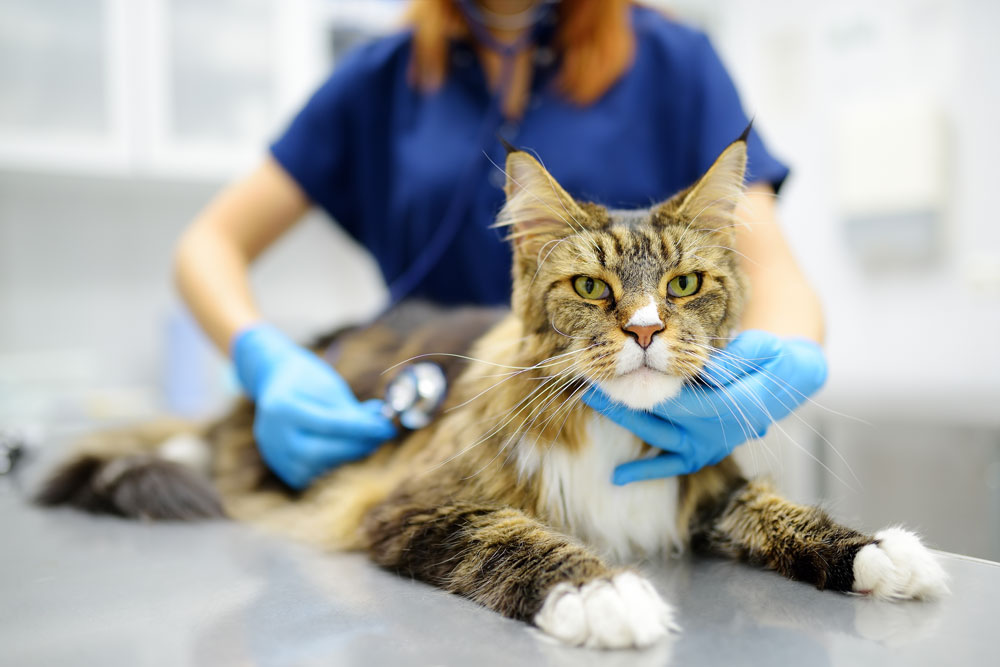
Routine wellness exams, annual bloodwork, and prompt evaluation of new lumps are the most effective ways to protect your pet from cancer. Early detection means less invasive treatments, shorter recovery times, and better outcomes overall.
Santa Monica Veterinary Group encourages every owner to stay proactive with preventive care. Schedule your pet’s next wellness visit today to ensure they stay happy and healthy for years to come.
A Better Way to Care
Cancer may be a frightening diagnosis, but you’re not alone. With advanced diagnostics, personalized treatment plans, and unwavering support, many pets go on to live long, fulfilling lives after treatment.
At Santa Monica Veterinary Group, we believe in a better way to care- one rooted in compassion, science, and partnership. If you’ve noticed changes in your pet or want to take preventive steps against cancer, contact us or request an appointment today. Together, we can protect your pet’s health, comfort, and future.




Leave A Comment