

Mange in Dogs Explained: Demodex vs. Sarcoptic and What Treatment Looks Like
When the Scratching Won’t Stop
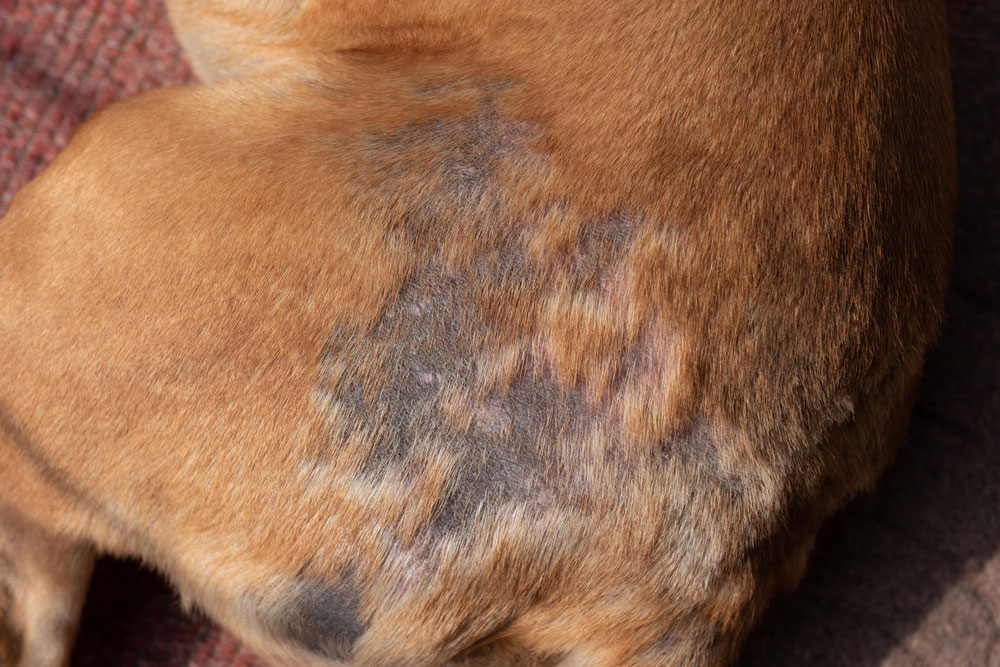
There’s normal scratching, and then there’s the kind that makes you put down what you’re doing and really watch. If your dog has been going at it relentlessly, losing patches of fur, or developing red, crusty skin that just looks wrong, you’re right to be concerned. Persistent itching and skin changes aren’t something to wait out, because what’s causing them matters, and the sooner you know, the sooner your dog gets relief.
One of the more common causes of intense scratching and hair loss is mange, a skin condition caused by microscopic mites. There are two main types, demodex and sarcoptic, and they behave very differently. The good news is that both are treatable, and most dogs recover fully with the right plan.
At Santa Monica Veterinary Group, our family-owned practice provides in-house dermatology support, same-day sick visits, and advanced diagnostics to pinpoint the cause of skin problems. Our services include thorough skin evaluations, cytology, and targeted therapies that ease itch and heal skin. If your dog’s scratching has you worried, please request an appointment so we can take a look.
Why Does Early Diagnosis Matter?
Early diagnosis shortens treatment time and breaks the itch cycle before things spiral. Mange can look dramatic, with hair loss, redness, and crusty patches that seem to spread overnight. But with timely care, most dogs bounce back completely.
Getting tested early also matters because the treatment for demodex and sarcoptic mange is different, and knowing which one you’re dealing with changes the plan. Persistent scratching, scabs, and patchy hair loss are all signals that it’s time for a checkup. Our team triages itchy pets quickly through urgent care during open hours, because comfort shouldn’t wait.
What’s the Difference Between Demodex and Sarcoptic Mange?
Mange is a broad term for skin disease caused by microscopic mites, but the two types that affect dogs most commonly are very different in how they behave, spread, and need to be treated.
Demodex: The One That Isn’t Contagious
Demodex mites live in hair follicles and oil glands in small numbers on virtually every dog. They’re a normal part of the skin ecosystem. The problem starts when something allows their population to grow out of control, a condition called demodicosis.
In puppies and young dogs, demodex overgrowth usually reflects an immature immune system that hasn’t yet learned to keep mite numbers in check. Certain breeds are genetically predisposed to this, including:
- Staffordshire Bull Terriers and American Pit Bull Terriers
- English Bulldogs and French Bulldogs
- Shar-Peis
- Boston Terriers
- Boxers
- Pugs
- Doberman Pinschers
- German Shepherds
- Great Danes
Localized demodex shows up as a few small, scaly, bald patches, often on the face or front legs. Many localized cases in young dogs resolve on their own as the immune system matures. Generalized demodex spreads more widely across the body and typically needs medical treatment.
In adult dogs, demodex appearing for the first time is a different situation. Adult-onset demodex is a red flag that something is suppressing the immune system, and finding the underlying cause is just as important as treating the mites themselves. Common triggers include:
- Cushing’s disease (hyperadrenocorticism), where the body produces too much cortisol, weakening the immune response over time
- Hypothyroidism, an underactive thyroid that slows metabolism and impairs immune function
- Diabetes, which compromises the body’s ability to fight infections and control inflammation
- Cancer or chemotherapy, which directly suppress immune defenses
- Long-term immunosuppressive medications, such as steroids or cyclosporine used for other conditions
When we see demodex in an adult dog, we treat the mites, but we also run bloodwork and additional diagnostics to investigate what’s going on underneath. Treating the mites alone without addressing the root cause often leads to relapse.
Importantly, demodex is not contagious to other pets or to people. The mites are species-specific and don’t transfer between adult dogs through casual contact.
Sarcoptic Mange: The One That Spreads
Sarcoptic mange is a completely different story. These mites burrow into the skin, trigger an intense allergic-type reaction, and are highly contagious. They’re one of the zoonotic parasites families worry about, because they can cause temporary skin irritation in people who have close contact with an infected dog.
Sarcoptic mange spreads through direct contact with infected animals or contaminated spaces like bedding and grooming tools. Wildlife, particularly foxes and coyotes, can also be a source of exposure. In Santa Monica and across the LA area, encounters with urban wildlife make this worth keeping in mind.
The itch from sarcoptic mange is typically extreme. Dogs may scratch until they cause open wounds, and the classic distribution pattern targets the ear margins, elbows, belly, and hocks. Because it spreads easily, temporary isolation from other dogs and thorough household cleaning are important parts of treatment.
How Can You Tell If Your Dog Has Mange?
Early Signs to Watch For
Relentless scratching that seems out of proportion to anything you can see is often the first clue. You may notice new patches of hair loss, red or thickened skin, scabs, or a greasy feel or smell from secondary infections. Sarcoptic mange typically causes far more intense itch than demodex.
Pattern clues can help narrow things down even before your visit. Sarcoptic mange tends to show up on the ear edges, elbows, belly, and hocks. Demodex is more likely to appear on the face, front legs, and trunk, and may not be as intensely itchy in the early stages.
When Should You Come in Right Away?
Come in promptly if lesions are spreading quickly or the itch is severe, if your dog is scratching to the point of causing wounds or bleeding, if there are signs of illness like lethargy, fever, or appetite loss, or if your dog has had known or suspected contact with an infected animal. Fast evaluation prevents secondary infections and shortens the overall recovery. We keep room for same-day visits through our urgent care services so your pet can be seen and treated quickly.
How Do We Diagnose Mange?
Diagnosis usually involves skin scrapings examined under a microscope, sometimes paired with additional tests to rule out other causes of itch like allergies or infections. We typically start with a detailed history and a nose-to-tail skin exam to map where and how lesions are distributed, then perform multiple skin scrapings from different sites to look for mites, and run cytology to check for secondary bacteria or yeast.
One important note: sarcoptic mites can be tricky to find. A negative scraping doesn’t always rule them out, especially if the mite burden is low. In those cases, we may recommend a treatment trial, meaning we treat for sarcoptic mange and see if the itching resolves. If it does, that confirms the diagnosis.
Our in-house services include skin cytology, microscopy, and follow-up testing to confirm progress and adjust treatment as needed.
What Does Treatment Look Like?
Demodex: Localized vs. Generalized
Localized demodex in young dogs may resolve with monitoring, gentle skin care, and short-term topical therapy if needed. Generalized demodex usually requires prescription parasiticides and treatment of secondary infections.
A typical treatment plan includes:
- Oral or topical parasiticides selected for your dog’s age, weight, and overall health
- Antibiotics or antifungal medications if secondary infections are present
- Supportive care like gentle medicated baths when advised
- For adult-onset cases, diagnostics and treatment for the underlying immune-suppressing condition
Localized cases may settle in a few weeks. Generalized cases can take several months of consistent treatment, and we monitor mite counts along the way to make sure things are truly clearing.
Sarcoptic Mange: Treat the Dog, Treat the Home
Sarcoptic mange requires a coordinated approach: treat the affected dog, treat every other pet in the household (even if they seem fine), and clean the environment, all at the same time. Prescription parasiticides, either topical or oral, are given at set intervals, and it’s important to complete every dose over the full course of several weeks.
We also treat secondary infections and inflammation to reduce pain and itch. On the home front, wash all bedding on hot cycles, vacuum thoroughly, sanitize high-traffic areas, and keep your dog separated from close dog-to-dog contact until treatment is complete. Our staff walks families through cleaning routines that are thorough without being overwhelming.
What’s the Timeline, and When Do You Come Back?
Demodex Rechecks
Expect recheck visits every 2 to 4 weeks. At each visit, we repeat skin scrapings to track mite counts. We don’t stop treatment until scrapings come back negative and the skin looks healthy. Tapering too early is the most common reason for relapse, so consistency matters.
Sarcoptic Mange Recovery
Most dogs start feeling noticeably better within 1 to 2 weeks after treatment begins. The itch can briefly intensify in the first few days as mites die, which is normal and temporary. Full skin healing typically takes 4 to 6 weeks. Attend all scheduled rechecks so we can confirm the mites are cleared and adjust care if needed.
If you have questions during treatment or suspect re-exposure, please contact us. Our team will set a follow-up schedule that fits your routine.
How Can You Reduce the Risk of Mange?
You can’t completely prevent demodex since the mites are a normal part of your dog’s skin, but a strong immune system keeps their numbers in check. Spotting and treating mites early makes a real difference in how quickly things resolve.
Practical prevention habits:
- Keep up with year-round parasite prevention as recommended by your veterinarian. Many modern flea and tick preventatives also kill mange mites, like Bravecto, Nexguard, Credelio, and Simarica.
- Avoid contact with stray, symptomatic, or unknown-status dogs, and be cautious in crowded settings like dog parks during outbreaks
- Schedule regular wellness visits so skin changes are caught early
- Feed a balanced diet and manage stress, both of which support immune health
- For breeds predisposed to demodex, mention this at your next appointment so we can factor it into your dog’s wellness plan
During preventive visits, our services include skin checks, parasite counseling, and tailored prevention plans for your dog’s lifestyle and breed.
Supporting Your Dog at Home During Treatment
Small, steady habits make a big difference while skin heals. Give medications exactly as directed and set reminders if the schedule is complicated. If scratching is severe, an Elizabethan collar or soft recovery suit can prevent self-trauma while the medication does its work. Keep bedding and favorite resting spots clean and freshly laundered during the active treatment phase, and watch for any changes in appetite, energy, or skin appearance so you can update us.
If managing everything at home feels like a lot, our team can help simplify the routine and troubleshoot any bumps along the way.
What’s the Long-Term Outlook?
Most dogs recover fully from both demodex and sarcoptic mange with appropriate care. Dogs that experienced generalized demodex may need periodic check-ins, especially if they have an underlying condition like Cushing’s disease, hypothyroidism, or diabetes that requires ongoing management. Sarcoptic mange doesn’t cause lasting damage once treated and cleared.

Frequently Asked Questions
What’s the simplest way to explain mange? Mange is a skin condition caused by tiny mites that live on or burrow into your dog’s skin. Demodex is an overgrowth of mites your dog already carries and isn’t contagious. Sarcoptic mange involves a different mite that burrows in, causes intense itching, and spreads easily between dogs.
How do I know which type my dog has? Your veterinarian can usually tell through a skin exam and skin scrapings examined under a microscope. Sarcoptic mange tends to cause more severe itching and targets specific areas like the ear edges and elbows. Demodex often shows up as patchy hair loss on the face, legs, or body without the same level of intense scratching.
Can people catch mange from their dog? Sarcoptic mites can cause temporary skin irritation in people who have close contact with an infected dog, but they can’t complete their life cycle on humans. The irritation resolves once the dog is treated and the environment is cleaned. Demodex mites are species-specific and don’t transfer to people.
Why did my adult dog suddenly develop demodex? Adult-onset demodex almost always signals an underlying health issue that’s weakening the immune system. Common culprits include Cushing’s disease, hypothyroidism, diabetes, cancer, or long-term use of immunosuppressive medications. If your adult dog develops demodex, your vet will want to investigate the root cause alongside treating the mites.
How long until my dog feels better? For sarcoptic mange, most dogs improve noticeably within 1 to 2 weeks after starting treatment, with full skin healing over 4 to 6 weeks. Demodex timelines vary: localized cases may clear in a few weeks, while generalized cases can take several months of consistent treatment and monitoring.
Does my other dog need treatment too? If the diagnosis is sarcoptic mange, yes. All dogs in the household should be treated, even those that aren’t showing symptoms, because they may be carrying mites without visible signs yet. Demodex is not contagious, so other pets in the home don’t need treatment.
Your Partner in Healthy Skin, From First Itch to Full Recovery
Skin problems can be stressful to watch, but with the right diagnosis and a clear treatment plan, most dogs are back to comfortable, healthy skin within weeks to months. Our family-owned team at Santa Monica Veterinary Group combines compassionate handling with advanced diagnostics to resolve mange and restore comfort.
If your dog is scratching, losing hair, or you suspect exposure, our urgent care is available during open hours, and you can contact us with questions at any time. When you’re ready, request an appointment and let us build a clear, supportive plan that gets your dog back to feeling good.




Leave A Comment