

Understanding Hair Loss in Pets: Common Causes and Treatments
Hair loss in dogs and cats can stem from many conditions- parasites, allergies, infections, or even stress. Each has distinct signs and requires targeted care. Veterinary diagnosis ensures your pet receives the right treatment and relief.
At Santa Monica Veterinary Group, our comprehensive approach to dermatology combines advanced diagnostics with compassionate care. Whether your pet needs skin scrapings, blood work, or allergy testing, our team provides thorough evaluations to identify the root cause and restore comfort.
What Is Alopecia and When Should You Worry?
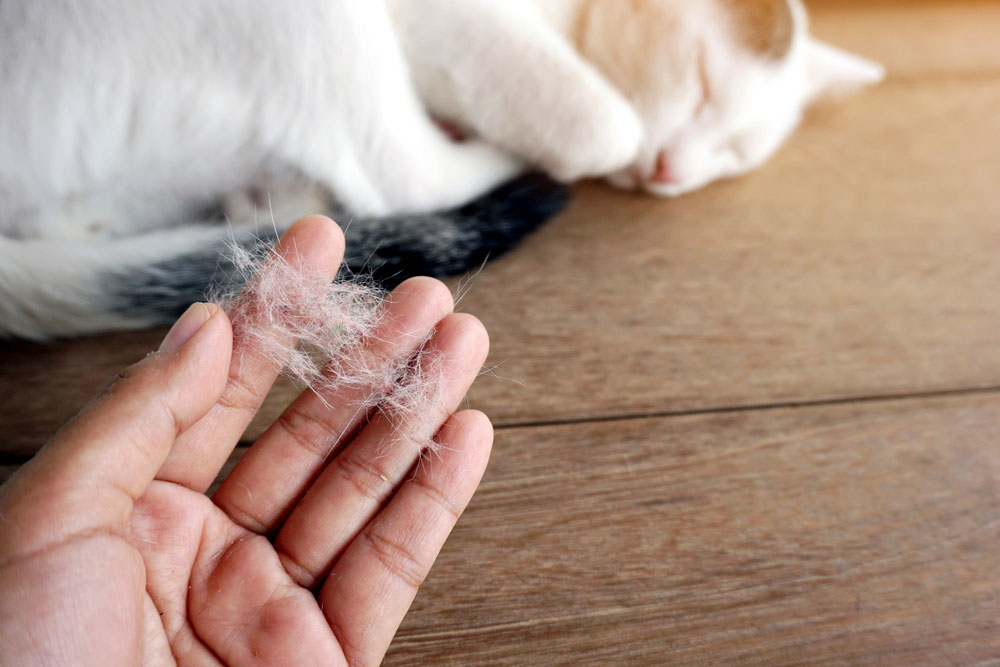
Alopecia is the medical term for partial or complete hair loss. While some shedding is normal- especially during seasonal changes- bald patches, excessive scratching, or persistent licking signal an underlying problem that needs attention.
Hair loss can appear suddenly or develop gradually. Some pets lose fur in symmetrical patterns without itching, while others create bald spots through constant scratching or overgrooming. The pattern, location, and accompanying symptoms help veterinarians narrow down potential causes.
Understanding that alopecia is a symptom rather than a diagnosis is key. Just as a fever indicates infection or inflammation, hair loss points to an underlying condition requiring professional evaluation.
Why Do Pets Lose Their Fur?
Identifying the cause of hair loss requires detective work. Our veterinary team uses physical exams, diagnostic testing, and your observations to piece together the puzzle.
Allergies: The Most Common Culprit
Allergies trigger intense itching that leads pets to scratch, chew, and lick themselves raw. Environmental triggers like pollen, dust mites, or mold can cause your pet to chew their paws, rub their faces, or create hot spots on their flanks and belly.
Some pets experience seasonal flare-ups, while others react year-round to indoor allergens like cleaning products or certain fabrics. Food allergies can also contribute, often causing chronic ear infections, recurring skin irritation, or hair loss around the tail and hind legs. Because symptoms overlap with other conditions, pinpointing the allergen often requires diet trials, intradermal testing, or bloodwork. Once identified, allergy management focuses on reducing exposure, improving skin health, and providing targeted medications that keep pets comfortable and their coats healthy.
Parasites and Infections That Damage Skin
Even indoor pets can develop parasitic infestations. Fleas, mites, and ringworm all cause patchy hair loss and skin irritation.
Spotting and treating mites in dogs requires microscopic examination of skin scrapings. Sarcoptic mange causes intense itching and crusty lesions, while demodectic mange creates localized bald patches, particularly in young dogs or those with weakened immune systems.
Flea allergy causes intense reactions even from a single bite, leading to scabs along the spine and neck. Food allergies can affect both species, causing year-round itching unrelated to seasons. Prevention plays a critical role in allergy management. The importance of year-round parasite prevention for pets is a key part of allergy symptom control- consistent flea control eliminates one of the most common allergy triggers.
Ringworm- despite its name- is actually a fungal infection that creates circular bald spots with red, scaly edges. It spreads easily between pets and humans, making prompt diagnosis and treatment essential. Our in-house diagnostics allow for quick identification through fungal cultures and cytology.
Hormonal Imbalances That Affect Coat Quality
When hair loss appears symmetrical and non-itchy, hormonal disorders often deserve investigation. These conditions affect internal systems that regulate hair growth and skin health.
Hypothyroidism in dogs occurs when the thyroid gland produces insufficient hormones. Dogs develop thin, brittle coats, weight gain despite normal appetite, and darkened skin. The hair loss typically affects the trunk and tail while sparing the head and legs.
Treating Cushing’s disease in dogs requires careful management of excess cortisol production. Affected dogs lose hair across their bodies, develop pot-bellied appearances, and show increased thirst and urination. The skin becomes thin and bruises easily.
Intact male dogs occasionally develop testicular tumors in dogs that produce abnormal hormone levels, causing symmetrical hair loss and feminization. Neutering resolves these cases.
Diagnosing hormonal conditions requires blood work. The importance of blood work extends beyond routine wellness- it reveals thyroid function, adrenal activity, and hormone levels that explain mysterious coat changes.
Genetic Conditions That Run in Families
Some breeds inherit specific types of alopecia that appear predictably during certain life stages.
Color dilution alopecia in dogs affects pets with dilute coat colors like blue, fawn, or silver. Hair becomes brittle and breaks easily, creating patchy baldness that typically appears before age three. While no cure exists, gentle grooming and skin care minimize secondary infections.
Canine flank alopecia causes seasonal bald patches along both sides of the body. The condition follows predictable cycles, with hair regrowing spontaneously after several months. It occurs most commonly in Boxers, Bulldogs, and Airedales.
Understanding breed-specific tendencies helps set realistic expectations and guides preventive monitoring.
Stress-Induced Overgrooming
Cats particularly struggle with anxiety-related hair loss. When stressed, they groom excessively until bald patches appear on their belly, legs, or flanks. The skin underneath looks normal- no redness, scaling, or parasites- because the problem is behavioral rather than medical.
Feline life stressors include changes in routine, new pets or family members, loud noises, or insufficient environmental enrichment. Some cats develop psychogenic alopecia after moving homes or losing a companion.
Treatment combines environmental modifications with potential anti-anxiety medications. Providing vertical space, interactive play, and predictable routines often reduces stress-related grooming.
Nutritional Deficiencies and Grooming Habits
Poor nutrition affects coat quality from the inside out. Diets lacking essential fatty acids, proteins, or vitamins produce dull, brittle hair that breaks easily. Our nutrition counseling services help ensure your pet receives balanced nutrition for optimal skin and coat health.
Harsh shampoos, over-bathing, or rough brushing can damage hair shafts and irritate skin. Why pets need regular grooming extends beyond appearance- proper grooming distributes natural oils, removes dead hair, and allows early detection of skin problems.
How We Diagnose the Underlying Cause
Determining why your pet is losing hair requires systematic evaluation. During your appointment, we gather information about when the hair loss started, whether it’s itchy, and if other symptoms accompany it.
Our physical examination assesses the pattern and distribution of alopecia. We look for parasites, evaluate skin texture and color, and check for signs of infection or inflammation.
Diagnostic testing may include:
- Skin scrapings to identify mites or fungal elements
- Cytology to detect bacteria or yeast
- Fungal cultures for ringworm confirmation
- Blood work to evaluate thyroid, adrenal, and hormone function
- Allergy testing or dietary elimination trials
Our full in-house blood work capabilities provide same-day results for many tests, allowing faster diagnosis and treatment initiation. When needed, we also perform skin biopsies or referrals to veterinary dermatologists for complex cases.
Accurate diagnosis prevents wasted time on ineffective treatments and addresses the real problem efficiently.
Treatment Approaches for Different Causes
Treatment success depends entirely on identifying and addressing the underlying condition. Generic approaches rarely work because alopecia has so many potential causes.
For allergies, we may recommend antihistamines, prescription diets, medicated shampoos, or immunotherapy. Environmental modifications and consistent parasite prevention form the foundation of long-term management.
Parasitic infections require prescription medications and thorough environmental cleaning. Ringworm treatment involves antifungal medications, topical therapy, and decontamination of the home environment.
Hormonal disorders need ongoing medication or surgical intervention. Hypothyroidism responds well to daily thyroid supplementation, while Cushing’s disease requires drugs that regulate cortisol production or surgery to remove affected adrenal glands.
Stress-related overgrooming improves with environmental enrichment, pheromone diffusers, and sometimes anti-anxiety medications. Identifying and reducing stressors provides the best long-term results.
Nutritional deficiencies resolve through dietary changes and supplementation. We work with you to select foods that support skin health and coat quality.
Our comprehensive services ensure your pet receives appropriate treatment regardless of the underlying cause. Follow-up appointments track progress and adjust protocols as needed.
Preventing Hair Loss Before It Starts
While not all alopecia is preventable, proactive care reduces risk and catches problems early.
Maintain year-round parasite prevention to eliminate flea allergies and mite infestations. Feed high-quality, balanced diets that provide essential nutrients for skin and coat health. Establish regular grooming routines that allow you to notice changes quickly.
Schedule annual wellness exams even when your pet seems healthy. Early detection of thyroid problems, hormonal imbalances, or skin conditions allows intervention before hair loss becomes severe.
If you notice new bald spots, increased scratching, or changes in coat texture, don’t wait. Early evaluation leads to faster resolution and greater comfort for your pet.

Restoring Your Pet’s Healthy Coat
Most cases of hair loss respond well to treatment once the cause is identified. Whether your pet needs parasite control, hormone therapy, or allergy management, our team provides expert care without judgment or stress.
Hair regrowth takes time- typically several weeks to months- but consistent treatment and follow-up ensure the best outcomes. Our family-owned practice offers both routine care and urgent care services when skin problems escalate quickly.
If your pet is experiencing hair loss, excessive itching, or skin changes, contact us today. We’re currently accepting new clients and ready to help restore your pet’s comfort and confidence.

Leave A Comment