
The Role of the Thyroid in Your Pet’s Health
Have you noticed your dog is suddenly gaining weight despite no change in diet, or maybe your usually calm cat has become surprisingly restless? These small, puzzling changes in your pet’s behavior and appearance can be stressful for any owner. When subtle symptoms like unexplained weight fluctuation, changes in energy level, or patchy hair loss appear, the underlying cause might be connected to a small but mighty organ: the thyroid gland. Understanding how hypo- and hyperthyroidism affect energy and metabolism is the first step toward getting veterinary help to restore balance and long-term health.
At Santa Monica Veterinary Group, we help pet owners uncover the “why” behind subtle health changes through advanced diagnostics and personalized care. From full in-house blood work to echocardiograms, urgent care, and tailored nutrition counseling, our comprehensive services are designed to identify underlying hormonal conditions early and support your pet’s ongoing wellness.
Causes and Risk Factors of Thyroid Disease
The thyroid gland, located in your pet’s neck, regulates metabolism by releasing hormones that influence body temperature, weight, heart rate, and energy levels. When the thyroid produces too little or too much hormone, the entire body feels the effects. Thyroid hormones influence nearly every organ in the body. When imbalanced, they can cause fatigue, changes in coat quality, or organ stress.
In dogs, hypothyroidism– low thyroid activity- slows metabolism, while in cats, hyperthyroidism– overactive hormone production- speeds it up.
Hypothyroidism in Dogs
Canine hypothyroidism typically develops when the thyroid gland shrinks or is attacked by the immune system, reducing hormone output. It’s most common in breeds like Golden Retrievers, Dobermans, and Labradors, often appearing between ages 4 and 10. Symptoms progress slowly, so owners might mistake them for aging.
Hyperthyroidism in Cats
In cats, hyperthyroidism occurs when one or both thyroid glands become overactive, typically due to benign growths. It’s most often seen in cats over ten years old. Excessive thyroid hormones can raise heart rate, increase blood pressure, and strain the kidneys if untreated.
The Importance of Regular Lab Work
Regular preventive testing is especially vital for senior pets, as thyroid dysfunction often develops gradually. At Santa Monica Veterinary Group, we recommend annual blood panels and wellness checkups for adults and semiannual exams for seniors to identify potential thyroid changes before complications arise. Our full in-house blood work capabilities allow us to obtain results quickly and begin treatment promptly. Early management helps prevent secondary issues such as heart disease, hypertension, or kidney strain.
Recognizing Thyroid Disease Symptoms
Signs of Hypothyroidism in Dogs
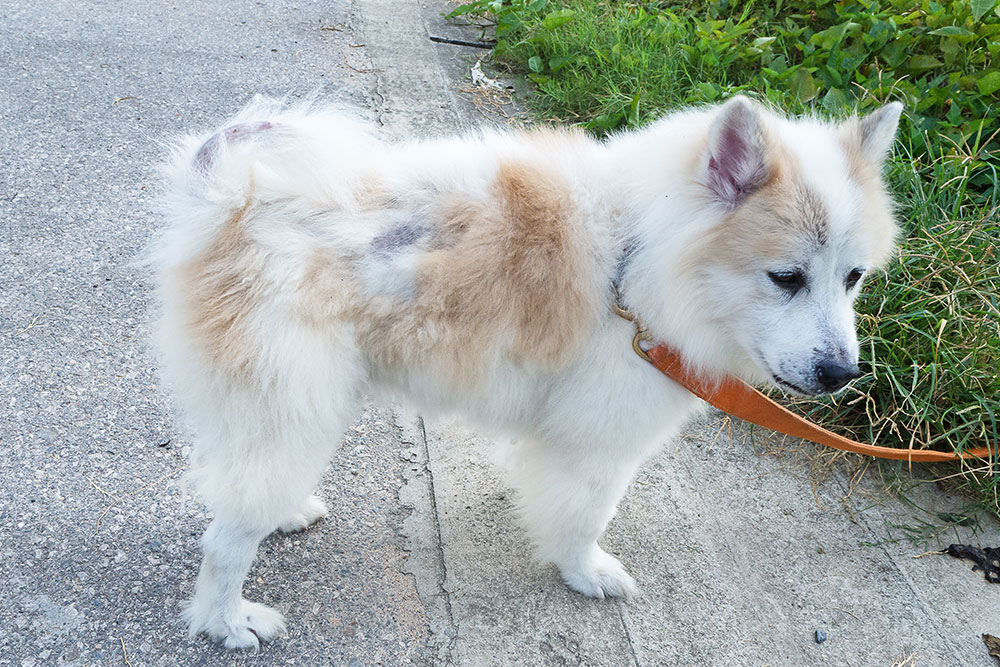
Dogs with hypothyroidism often appear tired and less playful. Lethargy is common, along with unexplained weight gain despite normal feeding. Other symptoms include:
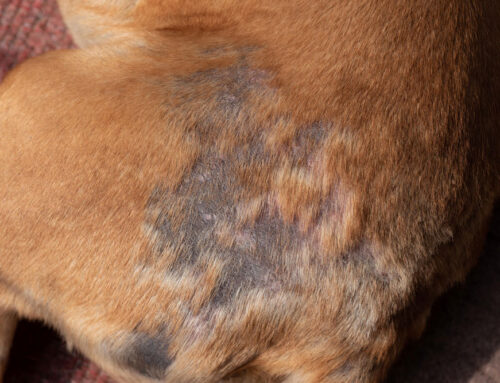
- Dry or thinning coat
- Recurrent ear or skin infections
- Sensitivity to cold
- Slow heart rate
- Behavioral changes like depression or disinterest
In rare, severe cases, untreated hypothyroidism can progress to myxedema coma, a life-threatening condition characterized by profound weakness, severe hypothermia, mental dullness progressing to stupor, and facial swelling from fluid accumulation in the skin. This medical emergency requires immediate hospitalization with intravenous thyroid hormone replacement and intensive supportive care, making early detection through routine bloodwork absolutely critical.
Signs of Hyperthyroidism in Cats
Cats with hyperthyroidism often display increased activity, weight loss despite a strong appetite, and frequent vocalization. Other indicators include vomiting, diarrhea, and visible neck enlargement. Behavioral shifts, such as restlessness or irritability, can also emerge as hormone levels rise.
Early intervention helps protect their heart and kidneys from long-term damage. Hypertension is a serious complication of feline hyperthyroidism that can lead to hypertensive retinopathy– damage to the blood vessels in the eyes causing sudden blindness, retinal detachment, and bleeding within the eye. Our ophthalmology services include comprehensive eye exams to detect these changes early, and our internal medicine experts monitor blood pressure and kidney function closely throughout treatment.
Because hyperthyroidism affects metabolism, appetite, and organ function, comprehensive care may include dietary guidance through nutrition counseling, medication management, echocardiograms to assess heart health, and regular monitoring for chronic kidney disease which commonly develops in treated hyperthyroid cats.
Diagnosing Thyroid Disease
Diagnosis begins with a thorough physical exam during wellness visits, including palpation of the thyroid gland, assessment of heart rate, and review of symptoms. Our full in-house blood work measures total T4, free T4, and TSH levels to confirm the diagnosis, with results often available the same day.
In complex cases, we may recommend advanced testing such as echocardiograms to assess heart function, blood pressure monitoring to detect hypertension, or antibody panels to rule out other endocrine or systemic diseases. You can request an appointment for thyroid screening during your pet’s next wellness visit.
Treatment Options for Thyroid Disease
Managing Hypothyroidism in Dogs
Dogs with hypothyroidism are treated with synthetic thyroid hormone (levothyroxine), restoring normal metabolism and energy. Improvement is typically seen within weeks, but dosage adjustments require periodic rechecks. Once regulated, dogs can live long, active lives.
Our team of veterinarians guides owners on consistent dosing, timing, and re-evaluation to ensure stable hormone levels and sustained results.
Managing Hyperthyroidism in Cats
Treatment for feline hyperthyroidism varies depending on the pet’s overall health and lifestyle. Options include oral or transdermal medication, surgery, radioactive iodine therapy, or therapeutic diets. The hyperthyroidism management approach is chosen based on the cat’s age, heart and kidney health, and family preferences.
We provide detailed guidance on each option and collaborate with specialists when advanced therapies are indicated. Our echocardiogram services help assess cardiac function before and during treatment, while regular blood pressure monitoring and ophthalmology exams watch for complications like hypertensive retinopathy. We also offer Eastern Medicine (Traditional Chinese Medicine) as a complementary approach to support overall wellness during treatment.
Living With Thyroid Disease
Most pets adjust well to treatment once hormone levels stabilize. Maintaining medication consistency, attending scheduled rechecks, and observing for changes in weight or behavior are the keys to success. Our team works closely with families to create personalized management plans and provides continued support through every stage of treatment.
At-Home Support and Prevention
While thyroid disease can’t always be prevented, maintaining overall health helps reduce risk. Focus on:
- Routine bloodwork and regular veterinary visits
- High-quality, balanced nutrition- our nutrition counseling can help
- Maintaining a healthy weight
- Reducing stress at home
Keeping detailed notes on appetite, water intake, and energy helps your veterinarian detect trends early and adjust care accordingly.
Proactive Thyroid Health Management
With the right care, thyroid disease doesn’t have to stand in the way of your pet’s happiness. Whether your dog is slowing down or your cat is acting out of character, timely evaluation and consistent monitoring make all the difference.
At Santa Monica Veterinary Group, we combine advanced medicine with genuine compassion- from full in-house blood work and echocardiograms to dermatology, ophthalmology, internal medicine, and Eastern Medicine– because for us, it’s not just about treatment; it’s about helping your pet feel like themselves again. Schedule your next wellness exam or urgent care visit today and take the first step toward balanced, long-term health.


Leave A Comment