


From First Visits to Senior Years: Preventive Veterinary Care at Every Life Stage
What a dog or cat needs at four months, four years, and fourteen years are three genuinely different conversations, and the veterinary visits that stay most relevant are the ones that recognize that. A puppy’s and kitten’s appointments are dense with vaccines, parasite prevention, behavioral guidance, and spay or neuter timing. An adult dog or cat’s annual exam shifts toward maintaining what is working and catching early changes before they become problems. A senior pet’s care expands again into screening territory: bloodwork trends, blood pressure, joint assessments, and honest conversations about quality of life. The key to all of it is care that evolves alongside the patient rather than following a fixed checklist regardless of age.
Santa Monica Veterinary Group is a family-owned practice with a full range of veterinary services supporting dogs and cats across every life stage, from early puppy and kitten care through comprehensive senior wellness. We are committed to the kind of thoughtful, evolving care that actually matches a pet’s changing needs over time. Contact us to establish care or to talk through what the next stage looks like for your specific pet.
Puppy and Kitten Care: Building the Foundation
How the Vaccine Series Actually Works
The first months of a pet’s life are among the most medically active. Young animals receive maternal antibodies through nursing that offer temporary protection, but those antibodies fade- and the window during which they do creates both vulnerability and the need for a carefully timed series. Vaccinations typically begin between six and eight weeks of age, with boosters every three to four weeks until the series is complete around 16 weeks. Multiple doses are not redundant; each one is timed to catch a puppy or kitten after maternal antibodies have declined enough to allow their own immune system to respond.
- Core vaccines for puppies address distemper, parvovirus, adenovirus, leptospirosis, and rabies.
- For kittens, the core series covers common cat diseases including panleukopenia, herpesvirus, calicivirus, feline leukemia, and rabies.
These are not theoretical concerns: parvovirus cases continue to appear across the country, feline panleukopenia outbreaks have shut down shelter services in recent years, and rabies remains an active public health concern nationwide. Non-core vaccines are added based on lifestyle and regional exposure risk- a conversation we have with every new puppy and kitten family at the first visit.
Why Spay and Neuter Are About More Than Litters
The health benefits of spay and neuter extend well beyond population control. Spaying females before the first heat cycle dramatically reduces mammary cancer risk and eliminates the possibility of pyometra, a life-threatening uterine infection common in intact middle-aged and older females. Neutering males reduces prostate disease and removes testicular cancer from consideration entirely. Behavioral benefits like reduced roaming and marking are real, but secondary to these medical advantages.
Timing is not one-size-fits-all. Our team can walk through the current evidence and recommend timing based on species, breed, size, and individual health history.
Parasite Prevention for Young Pets
Puppies and kittens are especially vulnerable to parasites, and exposure risk in Los Angeles is year-round.
- Intestinal parasites are frequently passed from mother to offspring, which is why early and repeated deworming between four and sixteen weeks is standard, followed by fecal testing to confirm clearance.
- Heartworm disease is transmitted by mosquito and preventable with monthly medication- in Santa Monica, where mosquitoes are active all year, year-round parasite prevention is the standard of care from the start.
- Fleas are pesky little parasites that never have a “season” in Santa Monica. Even indoor pets can develop an infestation if you bring a flea in on your pants after walking in the grass, or if an outdoor dog brings one home on a walk. Flea lifecycles are hard to break, so prevention is the best method. Many “traditional” flea preventatives and natural methods don’t work- fleas in this area have developed resistance to common, over-the-counter medications.
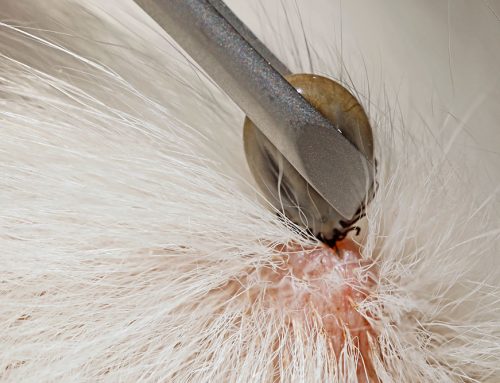
- Tick prevention is critical for outdoor pets, as Lyme disease can be spread by tick bites and is important for pets who spend time in grassy areas or on hiking trails.
Our pharmacy carries flea and tick products for dogs, flea and tick products for cats, and heartworm prevention to make consistent coverage straightforward.
Adult Pet Care: Why the Healthy Years Still Require Attention
What Annual Exams Accomplish in Apparently Healthy Pets
The adult years- roughly ages two through seven in dogs and two through ten in cats- are often the healthiest stretch of a pet’s life, which makes it tempting to push wellness visits to the back burner. This is precisely when establishing baselines matters most. A comprehensive adult exam includes:
- Reviewing and updating vaccinations
- Heartworm, tick-borne disease, and intestinal parasite testing
- Body condition scoring to catch weight changes before they become health problems
- Physical assessment for heart murmurs, early dental disease, and muscle mass changes
- Bloodwork to establish organ function baselines- the reference point that makes future comparisons meaningful
- Discussion of any behavioral or health changes noted at home
Conditions detectable through screening often have no outward signs in early stages. The reference values from a healthy adult exam are what allow the veterinary team to recognize a meaningful change later.
Dental Health Affects More Than Just the Teeth
Dental care is one of the highest-impact areas of adult preventive medicine and one of the most commonly deferred. By age three, most dogs and cats have some degree of periodontal disease– a bacterial infection of the gum tissue and supporting structures that progresses to tooth loss and contributes to systemic inflammation affecting the kidneys, liver, and heart.
Professional dental care under anesthesia is the only way to clean below the gum line, take dental radiographs, and address disease that home brushing simply cannot reach. Home care- brushing, dental chews, water additives- extends the time between professional cleanings but does not replace them.
Weight, Body Condition, and Breed-Specific Monitoring
Adult years are when metabolisms slow and caloric intake often fails to adjust. Pet obesity significantly worsens joint disease, cardiovascular strain, and diabetes risk, and regular body condition scoring at wellness visits provides objective data to guide nutritional decisions before weight becomes a clinical problem.
Breed-specific risk monitoring is equally important. Brachycephalic breeds benefit from airway and respiratory monitoring as they mature; large breeds warrant earlier attention to joint health; long-backed dogs should be watched for spinal issues; and certain breeds carry elevated risk for cardiac disease or specific cancers. Knowing your pet’s individual risk profile helps us prioritize screening before problems become clinically obvious.
Senior Pet Care: More Frequent Visits, More Focused Screening
When Does a Pet Become a Senior?
Cats and small dogs are generally considered seniors around age ten, while large and giant breeds reach that threshold earlier- sometimes by age seven or younger. There is no single day that marks the transition, and individual health history matters as much as species or size. What does change is visit frequency: twice-yearly wellness exams become the standard rather than annual ones. Conditions common in older pets can progress significantly between annual appointments, and catching them mid-year preserves more treatment options.
What Senior Screening Includes
Preventive testing for senior pets goes beyond a physical examination. A complete chemistry panel and blood count assess kidney, liver, and thyroid function; urinalysis evaluates kidney and bladder health; blood pressure measurement screens for hypertension; and imaging is added when indicated. The real value of serial testing is in tracking trends- a creatinine level rising across three consecutive visits tells a story that a single data point cannot. This is exactly why the baselines established during healthy adult years become so important later.
Health Conditions That Become More Common With Age
Several conditions become significantly more prevalent as pets grow older:
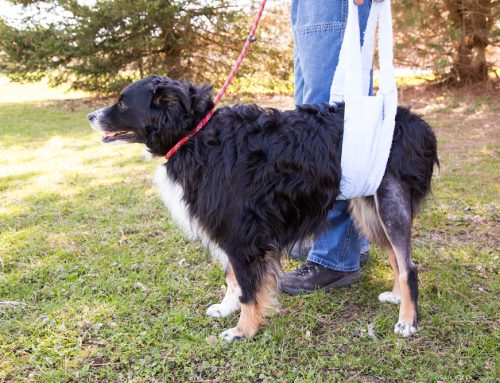
- Osteoarthritis: Affects a large proportion of dogs and cats over age seven. Signs include reduced activity, reluctance to use stairs, changes in grooming habits in cats, and altered sleeping positions.
- Diabetes in pets: Manageable with consistent treatment and monitoring; often caught on routine bloodwork before clinical signs are obvious at home.
- Thyroid disease: Hypothyroidism in dogs and hyperthyroidism in cats are both common findings on senior lab panels and have effective treatment options.
- Chronic kidney disease: Particularly common in older cats; early detection through regular screening gives the most time to slow progression with dietary and medical management.
- Heart disease: Valve degeneration and heart muscle disease are manageable for years when identified early.
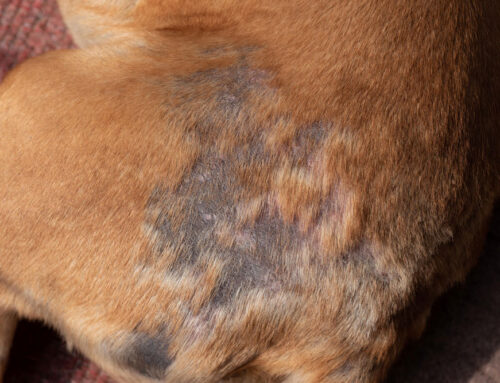
- Skin cancer and other tumors: Become more common with age; early detection through physical exams and imaging is what preserves treatment options.
Why Continuity of Care Makes Every Stage More Effective
Life stage transitions are gradual, and that ambiguity is part of why a consistent veterinary relationship matters so much. A team that knows your pet’s individual history, baseline lab values, typical weight, and behavioral tendencies can recognize changes that would be invisible to someone seeing them for the first time.
Puppy and kitten visits build the foundation, adult visits maintain it, and senior visits increasingly center on quality of life and proactive planning. That progression works best when owner and veterinary team have built a relationship over time. When something feels off between appointments, reach out rather than waiting- we would rather answer a question early.

Frequently Asked Questions About Life-Stage Veterinary Care
When should my pet be considered a senior? General thresholds are around age seven for large dogs and age ten for small dogs and cats, but individual factors matter significantly. A healthy ten-year-old small breed may need less intensive senior screening than an eight-year-old giant breed. We can help identify the right transition point for your specific pet.
Do adult pets really need yearly exams if they seem perfectly healthy? Yes. Many conditions- early kidney disease, elevated blood pressure, developing dental disease- are detectable through screening long before they cause observable symptoms at home. Annual exams also keep vaccines current and allow us to catch physical changes that are easy to miss when you see your pet every day.
How do I know if my senior pet is in pain? Pets rarely vocalize pain in recognizable ways. The signs of pain are usually behavioral: reduced activity, reluctance to jump or climb, changes in grooming habits, altered sleep positions, or decreased interest in play. Any of these patterns in an older pet warrants a veterinary evaluation- and sometimes a pet appears fine while bloodwork tells a different story.
Are joint supplements or other senior supplements worth giving? Some have solid evidence behind them- omega-3 fatty acids and certain joint supplements are frequently recommended for senior pets. Which products are worthwhile at what dose depends on your pet’s individual conditions and any current medications. Nutramax Welactin Omega-3 Supplement for Dogs and Nutramax Welactin Omega-3 Supplement for Cats provide omega-3 fatty acid support for joints, cognitive function, and overall cellular health. Hip and joint supplements are also available for dogs managing mobility changes. Ask us for specific recommendations.
Preventive Care That Grows With Your Pet
The best preventive care is not static. It evolves alongside the patient, asking different questions and running different tests as each stage of life unfolds. The wellness visits during the healthy years- the ones where nothing seems wrong- are the ones that make the difference when something eventually does. At Santa Monica Veterinary Group, our goal is to be the team that knows your pet well enough to notice when something shifts. Contact us to schedule a wellness visit or to talk through where your pet is in their life stage and what their care should look like right now.


Leave A Comment