

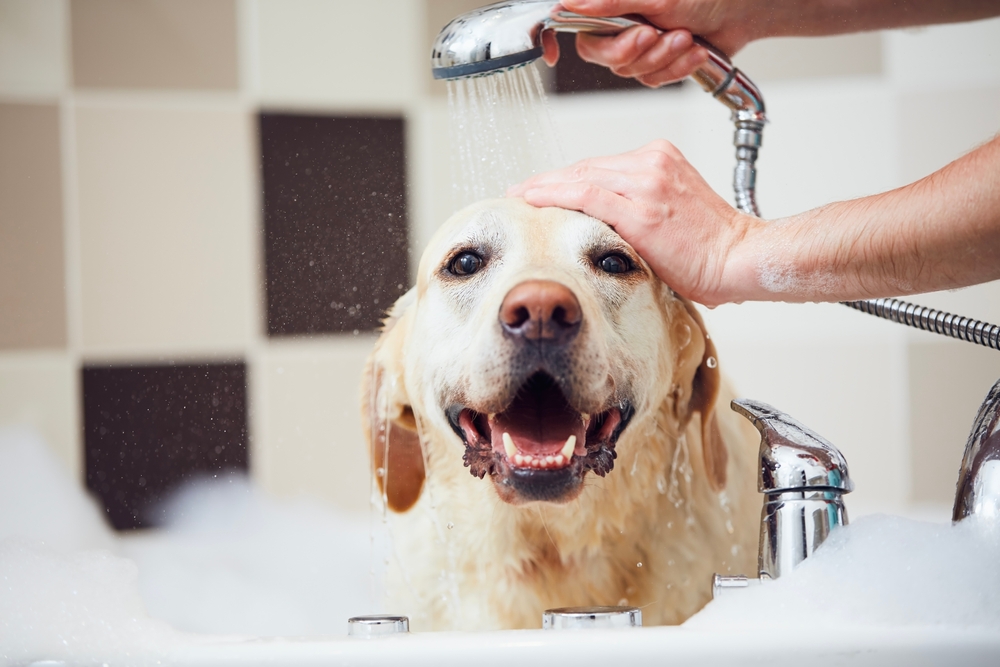
At-Home Grooming for Pets with Allergies and Skin Conditions
If you’ve ever given your pet a bath only to watch them scratch like crazy afterward, you know how frustrating sensitive skin can be. The wrong shampoo can strip away protective oils. Fragrances that smell lovely to us can trigger reactions in them. Even the pH of a product matters more than you might think.
The good news? With the right products and techniques, grooming can actually become part of the solution rather than part of the problem. For pets with allergies or naturally sensitive skin, a thoughtful grooming routine protects and soothes rather than irritates.
Santa Monica Veterinary Group integrates skin health into our comprehensive services, which include dermatology consultations and specialized skin care protocols. We recommend hypoallergenic shampoos, soothing rinses, and leave-in conditioners tailored to each pet’s specific needs. We’ll explain why veterinary-formulated products often work better than what you’ll find at the pet store, and how bathing frequency affects skin health. For chronic issues, we coordinate at-home grooming with medical care because some pets need weekly medicated baths while others do better with gentle cleansing between less frequent washes. Request an appointment or contact us for product recommendations tailored to your pet.
Why Your Pet’s Bath Time Might Be Making Things Worse
Here’s a scenario we hear all the time: you bathe your dog with a fresh-smelling shampoo, and an hour later they’re scratching like their life depends on it. Their skin looks redder than before. They seem more uncomfortable, not less. What went wrong?
For sensitive pets, the wrong products and techniques can actually make skin problems worse. But here’s the flip side: with the right approach, grooming becomes genuinely soothing and even therapeutic. Understanding what triggers reactions, choosing gentle ingredients, and following a simple routine can make a huge difference in your pet’s comfort.
Our team loves helping Santa Monica pet owners figure out what’s going wrong and how to fix it. We evaluate what’s causing the sensitivity, recommend targeted solutions, and teach you home care techniques that maintain results between visits.
What Causes Sensitive Skin in Dogs and Cats?
The Hidden Triggers Behind Skin Reactions
Skin sensitivity usually has an underlying cause, and figuring out what that is helps us address it effectively. Environmental allergens like pollen, dust mites, and mold cling to fur and irritate skin with every snuggle on the couch. Food sensitivities can show up as skin problems even without any stomach upset. Parasites can trigger intense reactions, and flea allergy dermatitis can develop from just a handful of bites.
Some breeds simply drew the short straw when it comes to skin. Bulldogs, West Highland White Terriers, and Shar-Peis are notorious for skin issues. Cats with white or light coats tend to be more prone to sun-related irritation.
Medical conditions can also weaken the skin’s defenses. Hormonal imbalances, immune system quirks, and infections all make skin more reactive. Allergies often overlap and can require veterinary detective work to sort out.
How to Tell Your Pet Needs Specialized Grooming
If any of these sound familiar, your current routine might be making things worse:
- Itching that gets more intense after baths
- Red or inflamed patches showing up within hours of grooming
- Flaky or greasy skin that comes right back no matter what you do
- Hair loss in certain spots
- A persistent odor that bathing doesn’t fix
- Your pet acting stressed, fearful, or snippy during grooming
These signs suggest the skin barrier needs some TLC rather than more scrubbing. At Santa Monica Veterinary Group, we can check for allergies, parasites, or infections and help you figure out the next steps.
Why Consistent Grooming Matters for Sensitive Skin
The Protective Benefits of Proper Grooming
Regular grooming does more than keep your pet looking nice. It removes allergens before they have a chance to irritate the skin. Brushing distributes natural oils that help lock in moisture and create a protective barrier. And those mats that seem harmless? They trap moisture and bacteria, setting the stage for hot spots.
Grooming time is also your chance to play detective. Lumps, bumps, parasites, and skin changes are much easier to address when you catch them early. As for how often to bathe, that varies quite a bit. Some pets need weekly baths to keep their allergen load under control, while others do better with monthly baths and more frequent brushing in between.
Special Approaches for Older Pets
Senior pets deserve extra gentleness. Their skin tends to be thinner and more delicate, and joint stiffness can make grooming positions uncomfortable. Keep sessions short and sweet. Use warm (never hot) water and cushioned surfaces. Be especially careful around thin skin on the belly, inner thighs, and ears. Our senior care visits can help you adjust your grooming routine as your pet ages, including strategies for senior cat grooming.
Finding Products That Help Instead of Hurt
What Makes Shampoos Safe for Sensitive Skin
Choosing the right shampoo can make all the difference. Look for hypoallergenic, fragrance-free, and dye-free formulas. Pet-safe, pH-balanced shampoos protect the skin’s natural barrier. And here’s something that surprises a lot of pet owners: human shampoos, even gentle baby shampoos, aren’t pH-appropriate for pets and can cause problems.
When reading ingredient lists, look for these skin-friendly helpers:
- Colloidal oatmeal to calm itching
- Aloe vera to soothe irritation
- Ceramides to support the skin barrier
- Fatty acids for overall skin health
Products we love (and you can find in our pharmacy):
- Oatmeal and Aloe Shampoo and Conditioner
- Oatmeal Spray Conditioner
- Relief Shampoo and Spray with omega fatty acids, oatmeal, and Pramoxine for moisturizing and anti-itch relief
- Epi-Soothe Cream Rinse
When Prescription Products Become Necessary
Over-the-counter products work well for many pets with mild sensitivity. But if problems persist despite your best efforts, prescription-strength shampoos and rinses might be the answer. These products need to be used correctly, including proper contact time and the right frequency, to really work their magic.
Ask us about the Duoxo Calm line of products. They’re fantastic for calming irritated skin. Another favorite is Dermoscent, a topical omega fatty acid you apply directly to the skin to moisturize and strengthen your pet’s skin barrier. Our team can recommend the right product for your pet and show you exactly how to use it at home.
Creating Your Pet’s Personal Grooming Routine
Step-by-Step Bathing for Sensitive Skin
Here’s a gentle process that works well for most sensitive pets:
- Start with pre-bath brushing to remove loose hair and tangles
- Use lukewarm water (test it like you would for a baby)
- Apply shampoo gently without scrubbing
- Let medicated products sit for the recommended contact time
- Rinse thoroughly until water runs completely clear
- Towel dry or use a dryer on the lowest heat setting
If your pet gets anxious about bath time, cooperative care training can be a game-changer. The idea is to introduce each step slowly, reward calm behavior generously, and keep sessions short enough that they end on a positive note. Adjust bathing frequency based on how your pet’s skin responds. If redness or itching gets worse after a bath, it’s time to switch products, bathe less often, and check in with us.
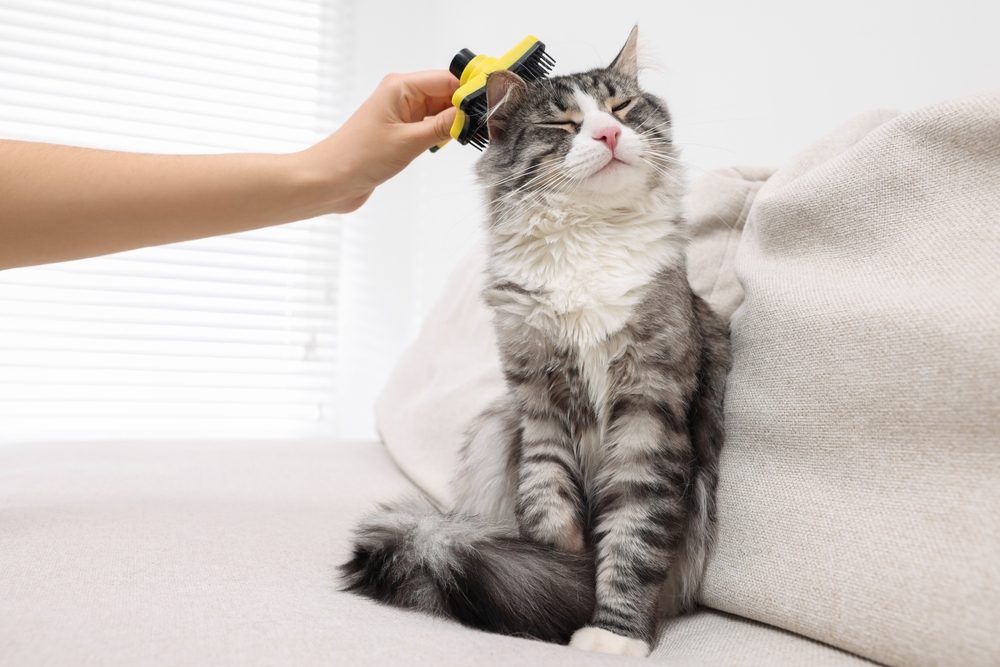
Brushing Strategies Between Baths
Regular brushing reduces allergens, spreads those protective natural oils, and can actually reduce how often you need to bathe:
- Short coats: Weekly brushing with a rubber curry brush works great
- Medium coats: Twice weekly with a slicker brush keeps things manageable
- Long coats: Daily attention with a pin brush and metal comb prevents tangles
- Curly or wire coats: Specialized tools help prevent matting
If you’re looking for some quality grooming equipment, we offer a full line in our online pharmacy.
Always work with the direction of hair growth. Use detangling spray and patience on mats rather than pulling. If the coat is severely matted, it’s best to seek professional grooming. Some cases actually require sedation for comfort and safety.
Beyond the Bath: Complete Sensitive-Skin Care
Safe Nail Care for Reactive Pets
Overgrown nails aren’t just uncomfortable; they affect how your pet walks and can lead to joint problems over time. Nail trimming should happen regularly, but we know it’s not always easy.
For anxious pets, gradual desensitization works wonders. Start by just touching paws and giving treats. Then introduce the clippers without using them. Eventually work up to trimming one nail at a time with lots of rewards. This nail trim guide has helpful at-home techniques.
Watch for nail injuries like bleeding, limping, or sensitivity when you touch the paws. We offer gentle nail trims and pain control when needed.
Ears, Eyes, and Paws: Full Body Hygiene Integration
Pets with allergies are especially prone to ear infections, so it’s worth checking ears weekly for odor, discharge, or redness. Clean outer ear canals with vet-approved solutions and avoid cotton swabs (they can push debris deeper).
Here’s something important though: it’s also crucial to know when not to clean ears. Pets with sensitive skin can actually develop ear inflammation from harsh cleansers or cleaning too frequently. Less is sometimes more.
Ear cleaners we love (available in our pharmacy):
- EpiKlean for general cleaning
- PH-notix for pH rebalancing and wax removal
- Zymox with natural antibacterial properties
Protecting Paws and Faces
Paw pads put up with a lot: hot pavement in summer, rough terrain on hikes, and chemicals like ice melt in winter. Get in the habit of inspecting paws after walks and use paw protection strategies when the ground is extreme.
For paw protection, we love:
- Biobalm paw soother (works great for dry noses too!)
Breeds with facial folds, like Bulldogs and Pugs, need daily cleaning in those wrinkles to prevent yeast and bacterial buildup. Those folds like to trap moisture, dirt, and leftovers from dinner.
Eyes are another sensitive area to groom carefully. Tear stains may be purely cosmetic, but they can also signal irritation or blocked tear ducts. Wipe gently with a damp cloth or eye wipes, and let us know if excessive tearing continues.
Our favorite eye cleaning products:
Knowing When Home Care Isn’t Enough
Turning Grooming Into a Health Check
One of the best things about regular grooming? It’s the perfect opportunity for an at-home health check. As you work through the coat, feel for any lumps or sore spots. Part the fur to look for rashes, redness, or tiny parasites. Check eyes for discharge and sniff ears for unusual odor. Taking notes or photos helps you track changes over time, and that information is incredibly helpful at veterinary visits.
Recognizing When Professional Evaluation Becomes Necessary
Sometimes home care just isn’t cutting it, and that’s okay. It’s time to call us if you notice:
- Itching that continues despite switching to gentle products
- Skin lesions that are getting worse or spreading
- Infections that keep coming back
- Sudden or patchy hair loss
- Behavior changes like aggression, depression, or appetite loss
These signs often point to something deeper that needs medical attention. We offer advanced diagnostics and targeted treatment plans through our dermatology services. For sudden flare-ups or severe reactions, our urgent care is available during all open hours.
Integrative Approaches to Skin Health
How Eastern Medicine and Rehabilitation Support Sensitive Skin
At Santa Monica Veterinary Group, we believe in looking at the whole picture when it comes to skin health. Sometimes the answer isn’t just another topical product.
Our Traditional Chinese Medicine services can address underlying imbalances that contribute to chronic skin issues. Acupuncture and herbal therapies may help reduce inflammation and support immune function in pets with stubborn allergies that don’t respond to conventional treatments alone.
For pets with chronic skin conditions, cold laser therapy can reduce inflammation and promote healing in irritated skin. Our integrative approach means we’re treating your whole pet, not just the symptoms on the surface.
Avoiding Common Grooming Mistakes
Protecting Skin Barriers During Care
It’s easy to think that more bathing equals cleaner, healthier skin, but the opposite is often true. Over-bathing strips away those protective natural oils and actually dries the skin out. Most pets do perfectly well with baths every four to six weeks unless we’ve specifically recommended otherwise.
A few other tips to protect that skin barrier:
- Stick with lukewarm water (hot water is harsh on sensitive skin)
- Rinse thoroughly because leftover shampoo residue causes itching and attracts dirt
- Handle gently to avoid creating negative associations with grooming
- Keep products sealed and stored properly so they stay effective
- Clean and disinfect brushes and combs regularly, especially if you have multiple pets
Year-Round Parasite Control and Sun Safety
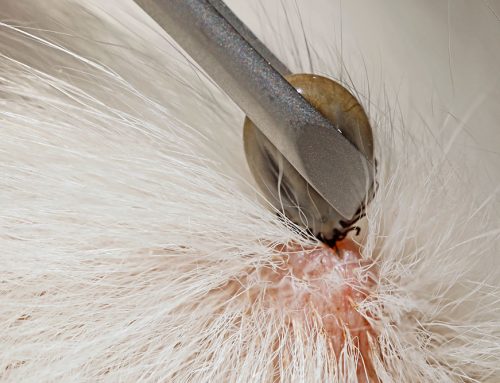
Year-round parasite prevention protects against fleas, ticks, and mites that can make skin problems so much worse. Even indoor pets are at risk since parasites can hitchhike into homes on shoes, other pets, or through open doors.
Here in sunny Southern California, sun protection matters too. Light-colored or thin-coated pets can get sunburned on their noses, ear tips, and bellies. Choose zinc-free, pet-safe sunscreens and follow pet sunscreen safety guidelines. Reapply after swimming or extended outdoor time.
FAQs: Quick Answers for Sensitive-Skin Grooming
How often should I bathe a pet with sensitive skin? Start with every four to six weeks using a gentle, pet-safe shampoo. From there, increase or decrease based on your vet’s advice and how your pet’s skin responds. Some pets need more frequent bathing; others do better with less.
Is oatmeal shampoo safe for all pets? Usually yes, but some pets can react to plant-based ingredients. Test on a small area first and check with us if your pet has known food allergies since sensitivities can overlap.
Can I use my shampoo on my dog or cat? Please don’t! Human shampoos aren’t pH-balanced for pets and can irritate their skin, even the gentle ones.
Do medicated shampoos replace parasite prevention? No, they serve different purposes. Use medicated shampoos as directed for skin issues, and maintain year-round parasite prevention separately through your veterinarian.
When should I call the vet about skin problems? If itching persists despite switching to gentle products, if lesions are spreading, if infections keep coming back, or if your pet just seems uncomfortable, it’s time to get us involved.
Your Partner in Skin Health
Sensitive skin needs gentle products, simple routines, and consistent care. With the right approach, grooming transforms from a source of stress into something that actually soothes irritation and supports healing. And a veterinary partnership ensures your home care efforts align with your pet’s medical needs.
Santa Monica Veterinary Group combines dermatology expertise with practical, pet-friendly guidance. We’ll help you choose the right products, establish a routine that works for your lifestyle, and recognize when it’s time to seek professional care. Ready for a plan that soothes sensitive skin and reduces those frustrating flare-ups? Contact us or request an appointment to create a personalized grooming plan that keeps your pet comfortable.

Leave A Comment