


Pet Lumps & Bumps Explained: Warning Signs You Should Never Ignore
You’re giving your dog their evening belly rub or brushing your cat’s soft fur when your fingers pause over something unexpected- a small lump beneath the skin. Your heart skips a beat as questions flood your mind: How long has this been here? What does it mean? Should I be worried? If you’ve experienced this moment of discovery, you’re not alone. Many pet owners find lumps during routine cuddles or grooming sessions, and while it’s natural to feel concerned, the good news is that not all bumps are dangerous.
At Santa Monica Veterinary Group, we know how scary it can be to find something new on your pet. Our experienced team uses advanced diagnostic tools- including cytology, biopsy, and imaging- to accurately identify skin masses and determine the best course of action. If you’ve discovered a bump on your pet, don’t hesitate to request an appointment so we can evaluate it together.
Why Every Lump Deserves Veterinary Attention
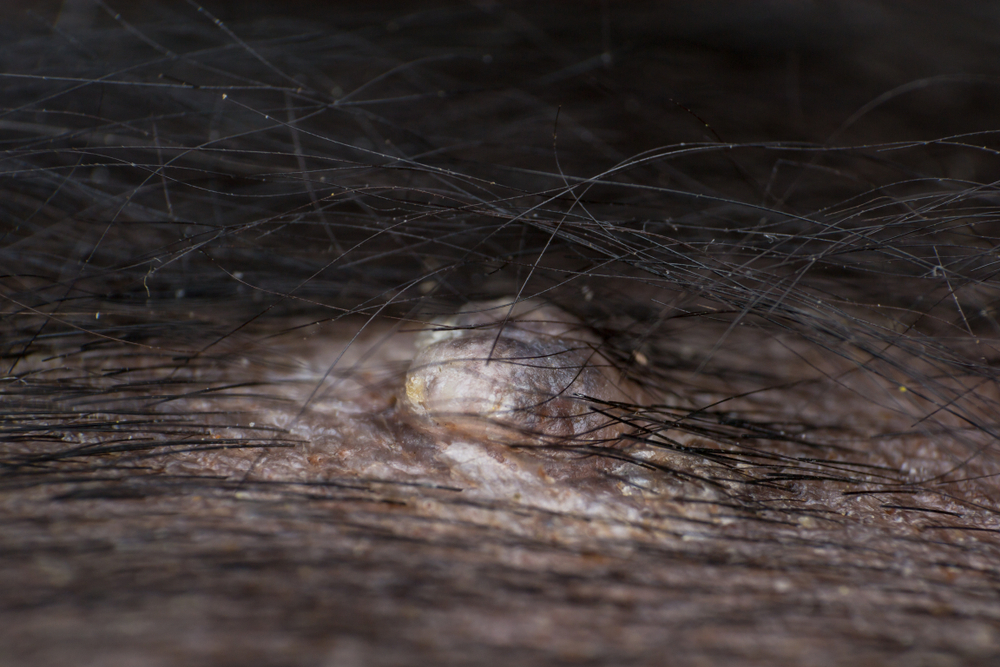
Here’s an important truth: while many lumps are completely harmless, only a veterinarian can determine what’s actually causing that bump you’ve found. Skin masses can arise from infections, inflammation, cysts, benign growths, or even cancer. Some are nothing more than fatty deposits, while others may signal conditions that benefit greatly from early intervention.
Early diagnosis simplifies treatment and reduces complications. A small, easily removable lipoma today may be far easier to address than a larger mass months down the road. Similarly, catching a cancerous tumor early often means more treatment options and better outcomes.
We encourage all pet owners to make lump checks part of their regular grooming routine. During routine wellness exams, our veterinarians perform thorough skin checks and can track any masses over time. If you have any concerns about a lump- new or existing- please contact us right away.
Understanding Different Types of Skin Lumps
One of the most confusing aspects of skin masses is that many look remarkably similar on the surface, yet they can have vastly different causes. A soft, movable bump might be a harmless lipoma or a more concerning mast cell tumor- appearance alone simply can’t tell you which. That’s why veterinarians rely on systematic evaluation rather than guesswork, and our diagnostic services are designed to answer these questions accurately.
Common Benign Growths
Many of the lumps pet owners discover turn out to be non-cancerous, manageable conditions. Lipomas are among the most frequently encountered benign masses- soft, fatty tumors that typically feel movable under the skin and grow slowly over time. Most don’t require removal unless they interfere with movement or comfort.
Other benign findings include warts from oral papilloma virus in young dogs, sebaceous cysts, and dog elbow calluses in large breeds. Even when a lump appears benign, bring any new masses to our attention during wellness visits so we can track changes over time.
Infections and Inflammatory Swellings
Not all lumps are tumors- many bumps arise from infection or inflammation. These swellings often develop quickly and may be accompanied by pain, warmth, redness, or discharge.
Outdoor cats are particularly prone to developing a cat abscess after fighting. Dogs may develop hives from allergic reactions or struggle with anal sac diseases that create swellings near the rear. Other concerns include interdigital furunculosis between the toes and abscesses from foxtails that penetrate skin in grassy areas around Santa Monica.
Our diagnostic services and in-house laboratory allow us to quickly identify infections and enable targeted treatment. If your pet has developed a painful, warm, or draining swelling, please schedule an appointment so we can provide relief.
Recognizing Potentially Cancerous Skin Tumors
While the word “cancer” understandably causes anxiety, early detection dramatically improves treatment outcomes for malignant masses. Some cancers appear quite subtle in their early stages, looking very similar to benign growths- which is why every new or changing lump deserves veterinary evaluation.
Mast Cell Tumors
Among common skin cancers in dogs, mast cell tumors top the list. These immune system tumors are sometimes called “the great pretenders” because they can vary dramatically in appearance- from small red bumps that look like insect bites to large, ulcerated masses. Because their appearance is so variable, any new skin mass should be evaluated with fine needle aspiration to rule out this common cancer.
Melanoma
Melanoma and melanocytic tumors arise from pigment-producing cells and can occur in the skin, mouth, nail beds, or eyes. While skin melanomas are often benign in dogs, oral melanomas tend to be aggressive and require prompt treatment. These tumors may appear as darkly pigmented masses, though some melanomas lack pigment entirely and appear pink or flesh-colored.
Histiocytic Tumors
Dogs can develop several types of histiocytic diseases, ranging from benign to highly aggressive. Malignant histiocytoma (also called histiocytic sarcoma) is a rare but serious cancer that can arise in the skin or internal organs. Unlike benign histiocytomas- common in young dogs and often self-resolving- malignant histiocytic tumors grow rapidly, may ulcerate, and can spread to other organs.
Squamous Cell Carcinoma
Cats face particular risk from squamous cell cancer, especially white or lightly pigmented cats who sun themselves in windows or spend time outdoors. UV exposure is a primary risk factor, and these cancers often start as small sores on sun-exposed areas- the ears, nose, or eyelids- that don’t heal. Early lesions may look like minor scabs or crusty patches, making them easy to overlook. Once established, squamous cell carcinomas are locally invasive and destructive.
If you’re facing a cancer diagnosis for your pet, know that you’re not alone. Modern veterinary medicine offers many treatment options. Please don’t hesitate to contact us for consultation about any concerning lump.
How Veterinarians Diagnose Skin Masses
Appearance alone cannot determine whether a mass is benign or malignant. Two identical-looking bumps might be completely different at the cellular level, which is why veterinarians follow a stepwise diagnostic approach.
We begin with a thorough physical examination, assessing the mass’s size, shape, texture, mobility, and location. Fine needle aspiration and skin cytology are often our first diagnostic steps- this minimally invasive procedure collects cells for microscopic examination. When cytology doesn’t provide complete answers, we recommend surgical biopsy for detailed pathology analysis. For masses that feel attached to deeper structures, imaging studies help us understand the full extent of the problem.
Our comprehensive diagnostic services bring all these capabilities together under one roof. Schedule an appointment to begin the diagnostic process.
When Does a Lump Require Urgent Attention?
While not every bump demands immediate action, certain warning signs should prompt you to contact us right away. Seek veterinary care soon if you notice:
- Sudden appearance or rapid growth: A mass that develops quickly over days to weeks
- Changes in color or texture: A previously smooth bump becoming irregular or developing a different feel
- Bleeding or ulceration: Any mass that develops an open sore or oozes fluid
- Pain or discomfort: Your pet flinches when you touch the area or excessively licks the spot
- Firmness and fixation: Masses that feel hard or seem attached to underlying tissue
- Recurrence after removal: A lump returning where one was previously removed
When in doubt, err on the side of caution. Our urgent care services provide same-day evaluations when you need immediate answers.
Treatment Options and What to Expect
The right treatment path depends on the diagnosis, the mass’s location and size, your pet’s overall health, and your goals for their care.
For benign masses, watchful waiting may be appropriate. Many fatty tumors and cysts can simply be monitored during regular wellness visits. Surgical removal remains an option if a benign mass grows large enough to cause problems.
For infections and inflammatory conditions, treatment typically involves drainage combined with appropriate antibiotics or anti-inflammatory medications.
For cancerous masses, treatment options vary widely based on tumor type and stage. Early-stage tumors often respond well to complete surgical removal alone. More advanced cancers may benefit from chemotherapy, radiation therapy, or combined approaches. Many pets tolerate cancer treatment remarkably well with far fewer side effects than humans experience.
Our experienced surgery team focuses on precise technique and comprehensive pain management. When specialized treatment is needed, we’ll help arrange referrals while continuing to provide supportive care close to home.
You’re Not Alone in This
Finding a lump on your pet is scary- we understand that completely. But not all lumps are dangerous, and even when they are, early attention makes an enormous difference in outcomes. Trust your instincts. If something feels different or you’re simply worried, those are excellent reasons to have us take a look.
At Santa Monica Veterinary Group, we’re committed to providing thorough diagnostics, expert care, and compassionate communication. Whether you’ve just discovered a new bump or you’ve been watching an existing one with concern, we’re here to help. Schedule an appointment today, or reach out through our contact page to speak with our team. Together, we’ll make sure your pet gets the careful, expert attention they deserve- because that’s simply a better way to care.





Leave A Comment