
Non-Anesthetic Dental Cleanings: Cosmetic Fix or Hidden Danger?
Many pet owners face a dilemma when their dog or cat needs dental care. You want clean teeth and fresh breath, but the thought of anesthesia creates worry. That concern is completely understandable, but here’s what matters most: non-anesthetic dental cleanings pose far greater risks to your pet’s safety, comfort, and long-term oral health than modern veterinary anesthesia ever will.
Quick, cosmetic “cleanings” without anesthesia don’t address periodontal disease where it starts. Only professional cleanings under anesthesia allow safe, thorough scaling and evaluation. Protecting oral health requires more than surface shine.
At Santa Monica Veterinary Group, our team uses advanced monitoring, customized anesthesia protocols, and comprehensive dental techniques to ensure your pet receives thorough, pain-free care. We believe in doing dentistry right, which means addressing disease where it hides, not just polishing what shows.
What Non-Anesthetic Dentals Actually Involve
Non-anesthetic dentals, often called “anesthesia-free” cleanings, are performed on awake pets by individuals who may not be trained veterinary professionals. The process typically involves restraining your dog or cat while someone scrapes visible plaque and tartar off the tooth surfaces using sharp metal instruments.
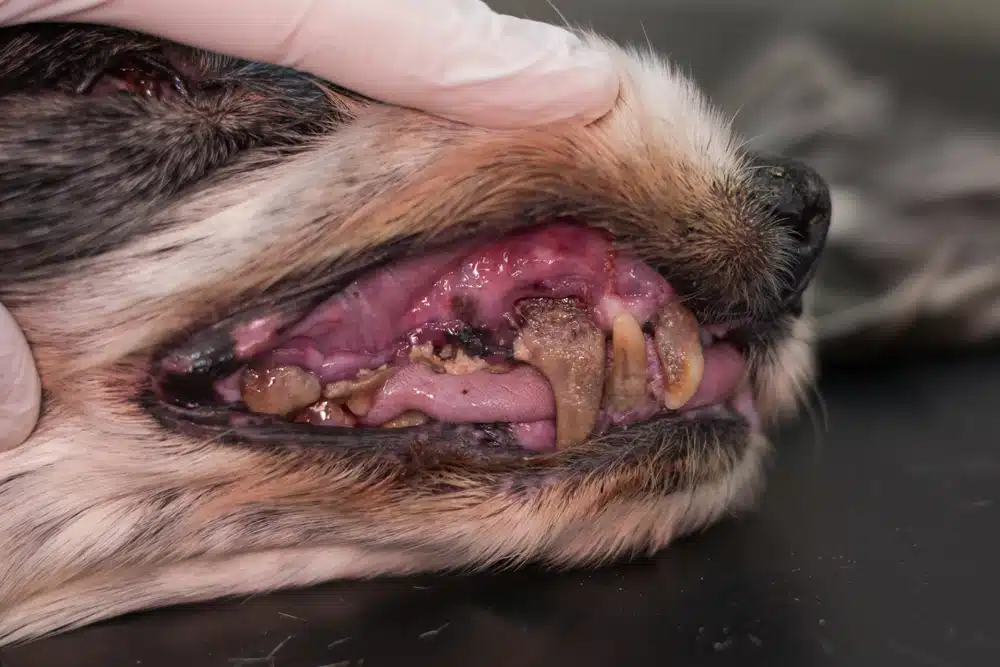
The reasons not to choose anesthesia-free pet dentals are clear and supported by veterinary dental specialists: these procedures only address cosmetic concerns. They remove the brown buildup you can see but do nothing to treat the infection, pain, and structural damage hiding beneath the gumline.
Worse, non-anesthetic cleanings can mask active dental disease, giving owners false reassurance that their pet’s mouth is healthy when serious problems continue to progress untreated.
The Reality of What Your Pet Experiences
Imagine being held down by strangers while sharp instruments scrape your teeth for 30 to 60 minutes. No numbing. No sedation. No ability to communicate discomfort or ask for a break.
That’s what non-anesthetic dental cleanings feel like for dogs and cats. Pets are awake and restrained, often trembling or struggling, while unfamiliar people work in their mouths with metal scalers. There’s no pain relief, no airway protection, and no way to prevent the pet from moving suddenly and causing injury.
Because the person performing the cleaning may lack veterinary training, they often miss critical signs of oral disease such as tooth fractures, abscesses, or oral tumors. And because the pet is awake and anxious, the risk of complications increases dramatically.
Common injuries during non-anesthetic cleanings include:
- Gum lacerations from sudden movements
- Tooth fractures caused by excessive force
- Aspiration of bacteria or debris into the lungs
- Psychological trauma that makes future veterinary handling more difficult
The AVMA’s overview of pet dental care emphasizes that proper dental procedures require anesthesia to ensure safety, thoroughness, and humane treatment. Even the calmest, most cooperative pet cannot remain completely still during a dental cleaning, and discomfort is inevitable without sedation.
The Hidden Dangers of Skipping Anesthesia
What Non-Anesthetic Dentals Miss- and Why They’re Risky
Non-anesthetic dental cleanings may make your pet’s teeth look cleaner, but they miss the most important part of dental health- the disease hiding beneath the gumline. Worse, attempting to perform dental work on an awake pet can cause painful injuries and lasting complications.
Most dental disease exists below the surface, where plaque and bacteria accumulate in the tiny space between the tooth and gum tissue. This buildup leads to periodontal disease, a deep infection that destroys bone and connective tissue over time. Without anesthesia, veterinarians cannot take dental X-rays or safely probe beneath the gums to find abscesses, bone loss, or hidden decay. These are the issues that cause pain, tooth loss, and infection- yet they remain invisible during a visual-only cleaning.
Non-anesthetic procedures also miss conditions that can only be identified through thorough examination and imaging, such as deciduous canine teeth that fail to fall out properly or oral tumors that begin as subtle gum changes. Fractured teeth often require extraction or root canal therapy to resolve. Without anesthesia, it’s impossible to detect or treat these problems safely and effectively.
Untreated infections from this damage can spread, creating retrobulbar abscesses behind the eye or oronasal or oroantral fistulas between the mouth and nasal passages- both of which require surgical repair. In severe cases, mandibular fractures can occur when fragile jawbones break during restraint or scaling, especially in small or senior pets who have experienced bone loss from severe periodontal disease.
Ultimately, non-anesthetic dental cleanings are cosmetic, not medical. They may make the teeth appear cleaner, but they leave painful infection, bone loss, and disease untreated. Proper anesthetic dentistry, performed by trained veterinary professionals, is the only way to truly protect your pet’s oral and overall health.
The Safe, Humane Alternative: Professional Anesthetic Dentistry
Modern veterinary dentistry under anesthesia provides a calm, pain-free, and comprehensive experience that protects your pet’s oral and overall health.
What Happens During a Professional Dental Cleaning
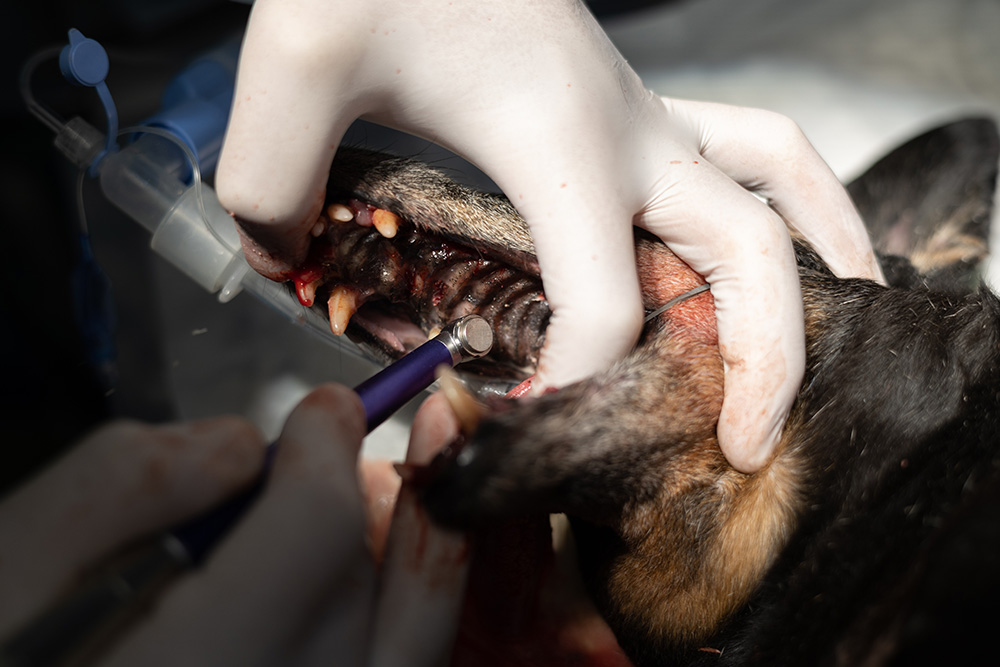
Your pet is gently anesthetized and continuously monitored by trained veterinary staff throughout the procedure. Intubation protects the airway, preventing aspiration of bacteria or debris into the lungs. Pre-anesthetic bloodwork, IV fluid support, and advanced monitoring equipment tracks heart rate, blood pressure, oxygen levels, and body temperature.
With your pet safely asleep, the veterinarian can perform a complete oral evaluation, including full-mouth X-rays, scaling above and below the gumline, polishing to smooth enamel, and any necessary extractions or treatments.
Anesthesia ensures your pet experiences no fear, no restraint, and no pain. It allows for complete cleaning and accurate diagnosis, and it creates a low-stress experience for both pet and owner. Our services include advanced dentistry with the monitoring and expertise needed to ensure your pet’s safety throughout the process.
True Oral Health Goes Beyond Clean Teeth
Clean teeth are important, but they’re only part of the goal. True dental care means eliminating infection, relieving pain, and preserving long-term health. Untreated oral bacteria can enter the bloodstream through diseased gums, affecting the heart, liver, and kidneys. Between professional cleanings, daily home care helps maintain oral health. The Veterinary Oral Health Council provides a list of approved products proven to reduce plaque and tartar when used consistently.
Combining professional anesthetic dentistry with at-home maintenance gives your pet the best chance at a healthy mouth and a longer life.
Addressing Your Concerns About Anesthesia
It’s natural to feel nervous about anesthesia. Many pet owners worry about the risks, especially if their dog or cat is older or has health issues.
Here’s what you need to know: every pet receives a custom anesthesia plan based on their individual needs. Continuous monitoring ensures early detection of any changes, and the veterinary team is trained to respond immediately if needed.
The risk of untreated dental disease far outweighs the low anesthetic risk. Chronic pain, infection, and systemic illness are guaranteed consequences of ignoring oral health. Anesthesia, when performed by trained professionals, is safe and essential.
If you have concerns about your pet’s ability to tolerate anesthesia, talk to our team. We’re here to answer questions, perform pre-anesthetic evaluations, and create a plan that prioritizes your pet’s safety and comfort. You can contact us anytime to discuss your pet’s specific needs.
For pets requiring immediate attention due to dental pain or infection, we also offer urgent care during business hours.
Protecting Your Pet’s Oral Health the Right Way
Non-anesthetic dentals are unsafe, incomplete, and traumatic for pets. They create the illusion of clean teeth while leaving disease untreated and putting your dog or cat at risk of injury and long-term pain.
Only professional anesthetic dentistry allows veterinarians to provide pain-free, comprehensive care that addresses disease where it hides and protects your pet’s overall health.
If your pet is due for a dental cleaning, choose the safe, thorough option. At Santa Monica Veterinary Group, we use gentle anesthesia, advanced imaging, and skilled hands to keep your pet’s mouth and body healthy.
Call us today or request an appointment to schedule your pet’s dental evaluation. Your pet deserves care that goes beyond cosmetic fixes.


Leave A Comment